
I know how it sounds. Twenty minutes is not enough time for a sauce to develop the kind of depth you usually get from a long braise. And yet. This white wine pasta has exactly that thing — the savory, wine-forward richness that makes people close their eyes in the middle of a forkful. It doesn’t taste quick. It tastes intentional.
The short version: A pantry-friendly white wine pasta that uses one surprising technique to build flavor, and it’s on the table before most pasta sauces even come up to a simmer.
I started making this on Tuesday nights when I needed something that felt like a weekend dinner but didn’t require a weekend timeline. My partner now requests it the way other people request takeout. It’s become that recipe.
- Serves: 4 as a main
- Hands-On Time: 10 min | Total Time: 20 min
- Difficulty: Easy (with one technique that feels fancy)
- Cost per serving: ~$3.50
- Calories: ~480 per serving
- Dietary Notes: Naturally vegetarian. Easily adaptable for vegan or gluten-free.
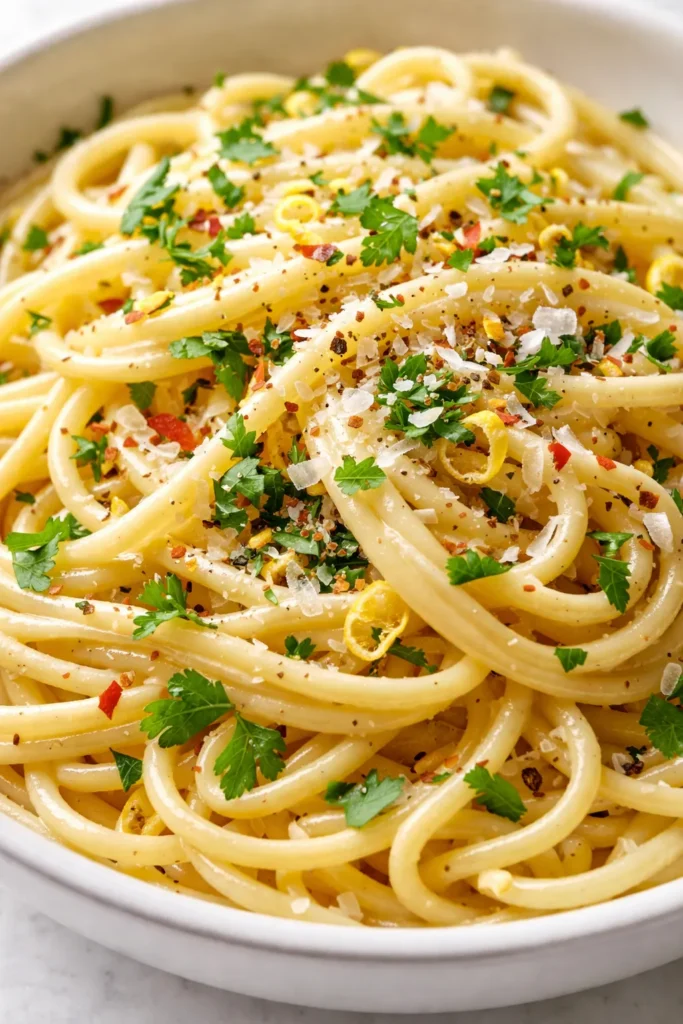
(Photo above: A shallow bowl of linguine twirled into a neat nest, glossy sauce clinging to every strand, a single twist of lemon zest and a few cracked black peppercorns on top. Shot from a 45-degree angle in late afternoon light, on a dark slate board.)
The One-Step Trick That Makes This Taste Like It Cooked for Hours
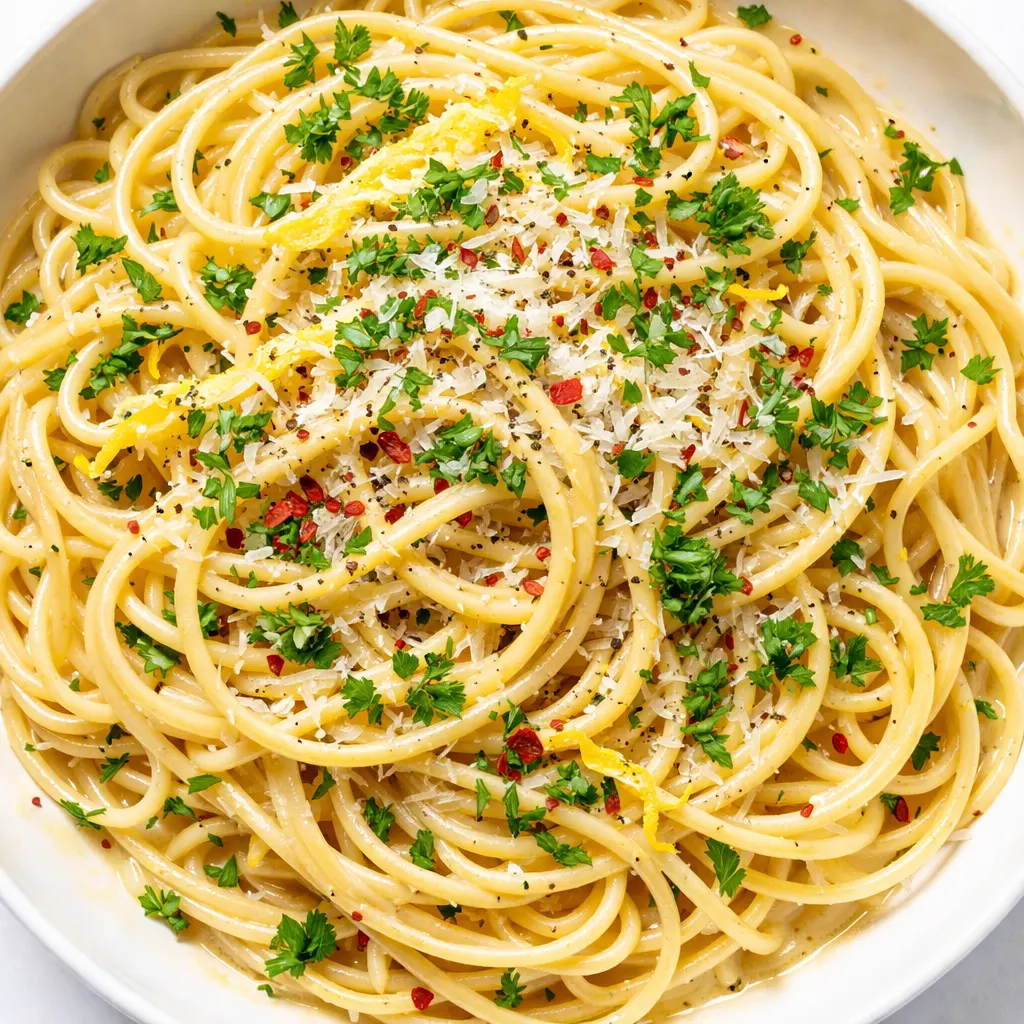
Most white wine pasta recipes dump the wine in with the cream or butter and call it a day. That’s fine, but it tastes exactly what it is — wine added at the end. The trick is letting the wine reduce before anything dairy hits the pan. You want it to go from “a glass of wine in a pan” to “a concentrated, almost nutty wine syrup.” That takes about 90 seconds of patience and gives you a sauce that tastes layered, not boozy.
The glossy texture comes from the pasta water, not heavy cream. You’re creating an emulsion with the starch and the butter. It feels lighter on the fork and coats every strand without weighing it down.
This is the kind of recipe that looks like you had a plan. The plan is just technique — no special ingredients required.
What You’ll Need (Plus the Notes I’d Give You at the Store)
- 12 oz good-quality dry white wine (about 1 ½ cups): Something you’d drink — Sauvignon Blanc or Pinot Grigio. Not cooking wine, not something labeled “white wine.” If it’s a little oaky, even better.
- 1 lb pasta (linguine or spaghetti): The key is a shape that holds the sauce, not something tubular that hides it.
- 4 tbsp unsalted butter, divided: You control the salt this way. If you only have salted, dial back the pasta water salt.
- 4 garlic cloves, thinly sliced: Sliced garlic melts into the butter without burning as easily as minced.
- ½ tsp red pepper flakes (optional but recommended): A tiny amount doesn’t make it spicy, it wakes up the wine.
- 1 lemon for zest + juice: The acid finish is crucial. It cuts the richness and makes the whole thing sing.
- ½ cup fresh flat-leaf parsley, roughly chopped: For that fresh pop at the end. (My kids call this “the green confetti” and they actually eat it.)
- 1 cup freshly grated Parmigiano-Reggiano: Real parm, grated fresh. The cellulose in pre-grated stuff won’t emulsify into the sauce.
- Reserved pasta water (at least 1 ½ cups): This is non-negotiable. It’s the glue.
- Flaky salt and black pepper for finishing
The Gear (It’s a Short List)
- Large pot for pasta
- Large skillet or sauté pan (12-inch — bigger than you think you need. You need space to toss.)
- Microplane or fine grater (for lemon zest and parm)
- Tongs (for twirling the pasta into the sauce)
- Measuring cup (for scooping pasta water)
Let’s Make This White Wine Pasta (Start to Finish)
Set yourself up before you start — this comes together fast. Grate the parm, slice the garlic, zest the lemon. Future you will thank present you.
- Cook the pasta: Bring a large pot of generously salted water to a boil. Cook your pasta to al dente — one minute less than the box says. It finishes in the sauce. Reserve 1 ½ cups of pasta water before draining.
- Start the sauce base: While the pasta cooks, melt 3 tablespoons of butter in the cold skillet over medium heat. Add garlic and red pepper flakes. Cook until the garlic is fragrant and just barely golden at the edges — about 60 seconds.
- The crucial wine reduction: Pour in the wine and let it bubble. Let it reduce by half — this takes about 2 minutes. The smell should shift from “alcohol” to “nutty and savory.” This is the step that does the heavy lifting. (📸 Photo tip: The sauce at this stage should cling to the back of a spoon and leave a trail when you run your finger through it.)
- Create the emulsion: Add ½ cup of reserved pasta water and bring to a simmer. Add the drained pasta directly to the skillet. Toss it in the sauce with tongs for 60 seconds. The sauce will tighten and start to cling.
- Finish with parm and butter: Remove the skillet from the heat. Add the grated parmesan and the remaining 1 tablespoon of butter. Toss vigorously. The sauce will go from thin to creamy right in front of you. If it’s too thick, add another splash of pasta water. (📸 Photo tip: Just before twirling, use your tongs to lift a single coil of pasta high out of the pan to show the glossy sauce strands for an action shot.)
- Serve immediately: Twirl into bowls. Top with lemon zest, a squeeze of lemon juice, a few cracks of black pepper, a little flaky salt, and the chopped parsley.
How to Make This Work for a Weeknight (Or a Make-Ahead Plan)
This dish is so fast that “meal prep” mostly means having the ingredients ready. But here’s how I handle it when I’m thinking ahead.
- Fridge: Store leftover pasta and sauce together in an airtight container. Toss with a splash of water before reheating. Keeps 3-4 days.
- Freezer: The sauce without the pasta freezes beautifully for up to 2 months. Thaw in the fridge, reheat gently, and toss with fresh pasta.
- Reheat: A skillet with a splash of water is best. The microwave works but can make the pasta a bit soft — still good, just not the same experience.
Things I’ve Learned the Hard Way (So You Don’t Have To)
- Don’t skip the wine reduction. If you don’t let it reduce, the sauce will taste like sharp, uncooked wine. Let it bubble down into a concentrated glug. Trust me on this one.
- Use cold butter. Starting with cold butter cubes helps create a better emulsion — it breaks into the sauce more slowly and evenly.
- Taste the pasta water. It should be as salty as the sea. That’s how the pasta gets seasoned from the inside out.
- Reserve more pasta water than you think you need. You can always leave it in the pan, but you can’t add it back once it’s down the drain. I always reserve 2 cups just in case.
Ways to Make It Your Own
- Add Protein: Toss in seared shrimp, leftover roasted chicken, or a fried egg on top. My kids love it with a runny yolk.
- Make it Vegan: Use 3 tbsp good olive oil instead of butter, and a vegan parm or nutritional yeast. The emulsion still works beautifully.
- Go Gluten-Free: Use your favorite GF pasta. Reserve a little extra pasta water as GF pasta tends to need it.
- Spicy Version: Double the red pepper flakes and add a pinch of Calabrian chili paste with the garlic.
- Herb Variant: Swap the parsley for fresh basil or chives. Tarragon would also be incredible with the white wine.
Questions My Readers Always Ask About This Pasta
Q: Why did my sauce turn out grainy?
A: The parm didn’t emulsify properly. Make sure the heat is off when you add it, and toss, toss, toss. It should come together into a smooth, glossy sauce in about 30 seconds.
Q: Can I use a different wine?
A: Yes, but stick with dry whites. A Chardonnay works, a sweet Riesling won’t. And avoid anything labeled “cooking wine” — it has added salt and will throw off your whole seasoning.
Q: Can I use dried herbs instead of fresh?
A: You can, but fresh makes a real difference here. The parsley and lemon are doing crucial work at the end to cut the richness. If you only have dried, add it with the garlic to let it rehydrate.
Q: What do you serve with this?
A: A big side salad with a sharp vinaigrette and some crusty bread. Or roasted broccoli. Or just a second bowl of this pasta. I don’t judge.
More Recipes My Family Asks For on Repeat
If you liked this one, here are a few others that get the same reaction at our table:
- Creamy Lemon Chicken Orzo — A one-pot wonder that has the same “feels fancy but isn’t” energy.
- Cacio e Pepe — The original Roman version, same emulsified sauce magic with just three ingredients.
- Garlic Butter Shrimp Pasta — When you want to add protein but keep it fast and weeknight-friendly.
This white wine pasta has become my default answer to “what’s for dinner?” It’s fast, it’s impressive, and it costs next to nothing. If you make it once, it’ll become your answer too.
Drop a comment below if you try it — I love hearing about the first time a recipe clicks for someone.
📌 White Wine Pasta recipe that tastes like it simmered all day — save it for your next busy weeknight when you need something fast but elegant.
White Wine Pasta That Tastes Like It Simmered All Day (Ready in 20 Minutes)
Equipment
- Large Pot
- Large Skillet (12-inch)
- Microplane or Fine Grater
- Tongs
- Measuring Cup
- Colander
Ingredients
For the Pasta
- 1 lb pasta (linguine or spaghetti)
For the Sauce Base
- 12 oz good-quality dry white wine (about 1 ½ cups)
- 4 tbsp unsalted butter, divided
- 4 cloves garlic, thinly sliced
- ½ tsp red pepper flakes (optional)
For Finishing
- 1 lemon (zest and juice)
- ½ cup fresh flat-leaf parsley, roughly chopped
- 1 cup freshly grated Parmigiano-Reggiano
- 1 ½ cups reserved pasta water
- flaky salt (to taste)
- black pepper (to taste)
Instructions
- Bring a large pot of generously salted water to a boil. Cook the pasta to al dente, one minute less than the box says. Reserve 1 ½ cups of pasta water before draining.
- While the pasta cooks, melt 3 tablespoons of butter in a cold large skillet over medium heat. Add the sliced garlic and red pepper flakes. Cook until the garlic is fragrant and just barely golden at the edges, about 60 seconds.
- Pour in the wine and let it bubble. Reduce by half, about 2 minutes. The smell should shift from alcohol to nutty and savory.
- Add ½ cup of reserved pasta water and bring to a simmer. Add the drained pasta directly to the skillet. Toss with tongs for 60 seconds.
- Remove from heat. Add the grated parmesan and remaining 1 tablespoon of butter. Toss vigorously until creamy. Add more pasta water if needed.
- Serve immediately. Top with lemon zest, a squeeze of lemon juice, black pepper, flaky salt, and chopped parsley.
Notes
Related Recipes:
 Cheesy Hamburger Casserole Bake That’s Ready in 40 Minutes (No Canned Soup Here)
 Lemon Capellini Salad for Late Summer Evenings: Bright, Tangy, Ready in 20 Minutes
 Creamy Garlic Tagliatelle That Looks Like a Restaurant Dish in 20 Minutes
 Texas Roadhouse Style Baked Salmon with Sweet and Savory Glaze — Ready in Under 30 Minutes
 Easy Italian Meatloaf That’s Actually Juicy (Not Dry) — in 1 Hour
 The Biscuits and Gravy Casserole That’s Actually Crispy on Top (And Ready in 40 Minutes)