
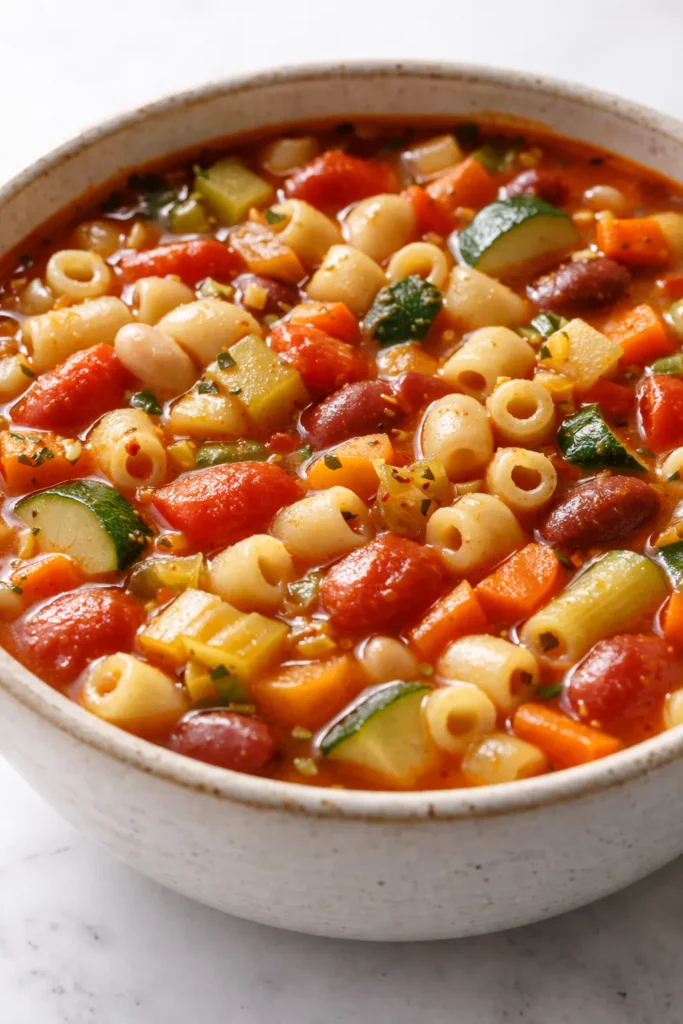
There’s a cold Saturday in late October that lives in my head rent-free. I was standing over a pot of classic minestrone, convinced I was doing something wrong because it smelled like a Sunday in my grandmother’s kitchen but it had only been about 50 minutes. That’s when I realized: the secret isn’t long cooking. It’s what you cook first. This minestrone has been my go-to ever since, and I’m pretty sure it’ll become yours too.
The short version: Deeply savory, loaded with vegetables and beans, and comes together in under an hour with zero fancy techniques.
I’ve made this soup more times than I can count — through moves, through seasons, through picky-eater phases. It’s the recipe I send friends who say they can’t make a good soup from scratch. You can. This one.
- Serves: 6 as a main, 8 as a starter
- Hands-On Time: 20 min | Total Time: 55 min
- Difficulty: Easy enough for a weeknight, impressive enough for guests
- Cost per serving: ~$2.50
- Calories: ~275 per serving
- Dietary Notes: Naturally vegan and dairy-free. Can be made gluten-free.
(Photo above: Wide, shallow bowl of minestrone soup, steam rising, garnished with a swirl of olive oil, a sprinkle of parmesan, and fresh basil. Shot from a slight angle, afternoon light catching the broth’s richness. Crusty bread on the side.)
The Trick to Broth That Actually Tastes Like Something
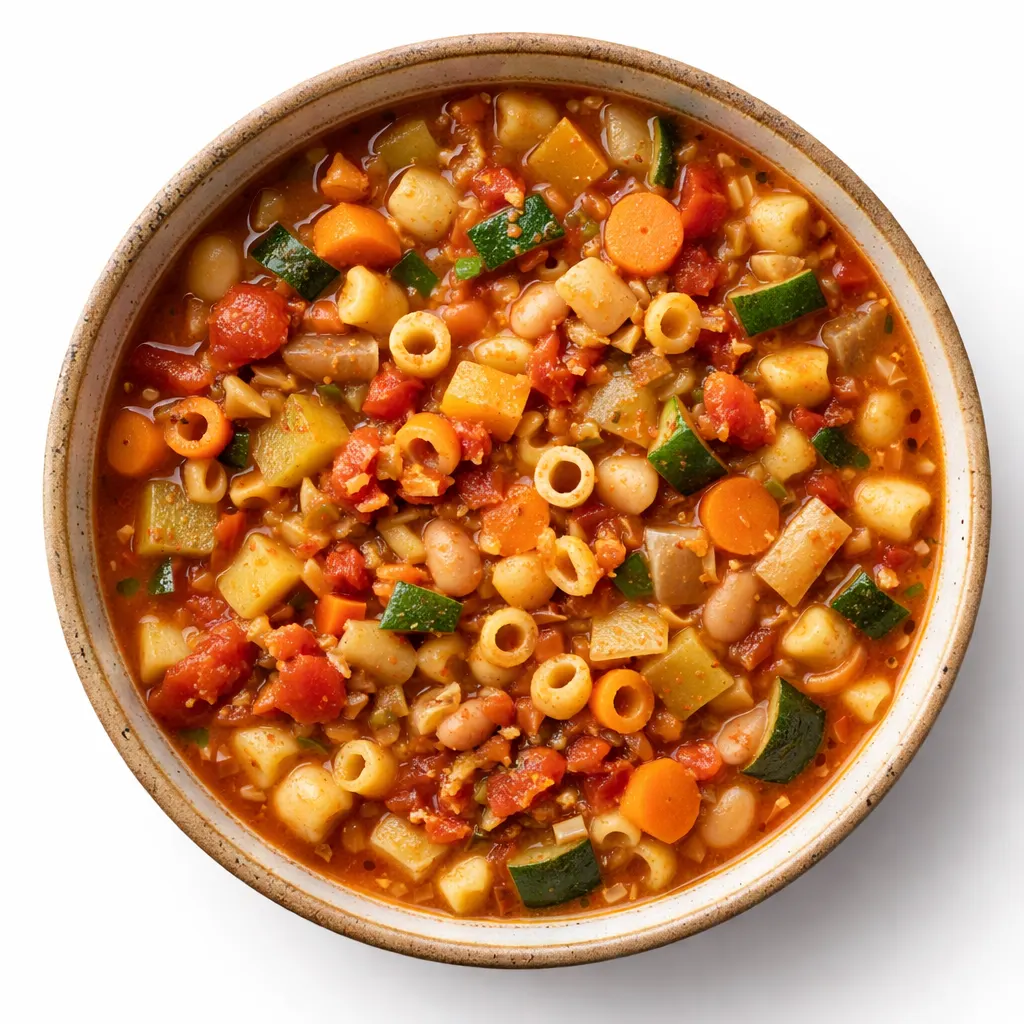
The biggest misconception about minestrone is that it needs to simmer for hours. It doesn’t. What it needs is a strong foundation. I start by cooking the aromatic vegetables — onion, celery, carrot — in olive oil until they’re sweet and jammy. Then I add the tomato paste and let it toast in the oil for a minute. That caramelization is where the deep flavor comes from. It’s the difference between a soup that tastes like vegetables and a soup that tastes like something.
The first time I did this, my husband walked in and asked if we were having guests. I told him it was just Tuesday. He didn’t believe me.
What Goes In (And What Actually Matters)
- 3 tablespoons good olive oil: Don’t use the cheap stuff here. You’re building the entire flavor base in it.
- 1 large yellow onion, 2 celery stalks, 2 large carrots: The holy trinity. Dice them small so they melt into the broth. My kids can’t stand big chunks of cooked vegetables, so I dice everything fine — they never know.
- 4 cloves garlic, smashed: More if you’re me. Smashed cloves release flavor slowly without burning.
- 3 tablespoons tomato paste: This is the non-negotiable depth charge. Let it get dark in the pan.
- 1 can (28 oz) whole San Marzano tomatoes: Crush them with your hands. They have better texture than pre-crushed, and it’s weirdly satisfying.
- 6 cups vegetable or chicken broth: A good boxed broth is fine. Better than fine. Just get low-sodium so you control the salt.
- 1 parmesan rind (optional but transformative): Toss it in while the soup simmers. It melts into the broth and adds an umami note that makes everyone ask what you did.
- 1 can (15 oz) cannellini beans, drained: Creamy, mild, they make the soup a meal.
- 1 cup green beans, chopped + 1 medium zucchini, diced: For that fresh, bright bite that keeps the soup from feeling heavy.
- 1/2 cup ditalini or other small pasta: I have strong opinions about how to handle the pasta. See below.
- Salt, black pepper, red pepper flakes: Season as you go, not just at the end.
- For serving: Extra olive oil, grated parmesan, fresh basil
The Gear (You Probably Have All of It)
- Large heavy-bottomed pot or Dutch oven (5-6 quarts)
- Wooden spoon
- Chef’s knife + cutting board
- Box grater (for the parmesan rind situation, or just buy a rind)
Let’s Make the Best Minestrone of Your Fall
This goes faster than you think. Read through once so you’re not scrambling to find the pasta while the garlic burns. Not that I’ve done that.
Prep the vegetables: Dice the onion, celery, and carrots into small, even pieces. Smash and peel the garlic cloves. Chop the green beans and zucchini. Drain and rinse the beans.
- Sauté the aromatics: Heat the olive oil in your pot over medium heat. Add the diced onion, celery, and carrots with a big pinch of salt. Cook, stirring, until they’re soft and starting to go golden, 6-8 minutes. Add the smashed garlic cloves for the last minute.
- Brown the paste: Push the veggies to the sides of the pot. Add the tomato paste to the empty spot in the center and let it sizzle and darken for 1-2 minutes before stirring it into the veggies. This is the non-negotiable depth step. (📸 Photo tip: The paste should go from bright red to a deep rusty brick color before you mix it in.)
- Add tomatoes and broth: Pour in the can of whole tomatoes, crushing them with your hands as you go. Add the broth and the parmesan rind if you’re using one. Bring it to a boil, then lower to a simmer.
- Simmer the base: Let it bubble gently for 15 minutes. This is where the flavors get friendly.
- Add beans and veggies: Stir in the drained cannellini beans, chopped green beans, and diced zucchini. Simmer for 10 minutes, until the zucchini is tender.
- Cook the pasta: Meanwhile, cook the pasta in a separate pot of salted boiling water until just shy of al dente. Drain and toss with a little olive oil. Why I cook it separately: so it doesn’t soak up all your broth and turn into a mushy mess the next day. (📸 Photo tip: The pasta should still have a tiny white dot in the center — it’ll finish cooking in the hot soup.)
- Finish and serve: Stir the cooked pasta into the soup. Taste for salt and add a big squeeze of lemon or a splash of red wine vinegar. Ladle into bowls, making sure to get a good mix of broth, beans, and veggies. Swirl with olive oil, shower with parmesan and fresh basil.
How to Make This Your Best Meal Prep Friend
This soup gets better on day two. But here’s the catch: you have to store the pasta separately. Trust me, I learned this the hard way when I opened my container the next day and found a brick of swollen ditalini. The good news is, this recipe is designed for exactly that.
- Fridge: Store soup base and pasta in separate airtight containers. Keeps for 5 days.
- Freezer: Soup base (without pasta) freezes beautifully for up to 3 months. Thaw overnight in the fridge.
- Reheat: Warm the soup base on the stove, then stir in a portion of pasta. Add a splash of water or broth if it’s too thick.
The Things I Wish Someone Told Me
- Don’t skip the parmesan rind. I cannot stress this enough. It’s the easiest umami bomb in cooking. Just fish it out before serving. I keep a bag of rinds in my freezer specifically for soups like this.
- Season as you go. If you only salt at the end, the soup will taste flat. Salt the veggies, salt the broth, taste and adjust. Even if you mess this part up a little, it’ll still taste good — I’ve done it.
- The pasta problem. I already said it, but I’ll say it again: cooking the pasta separately is the difference between great leftover soup and a science experiment. My husband thought I was overcomplicating it until he tried both versions.
- Acid at the end. A squeeze of lemon or a splash of red wine vinegar right before serving makes everything pop. It’s not optional for me anymore. It’s what makes you take a second bite.
- Make it a meal. Serve with a grilled cheese or a hunk of crusty buttered bread. My kids dip the bread right in the bowl. No complaints here.
Ways to Make It Your Own
- Gluten-Free: Use gluten-free pasta or add an extra can of beans instead. The soup doesn’t miss the pasta at all.
- Protein-Packed: Add a cup of cooked Italian sausage or shredded chicken with the beans. This is the version I make when I want it to stick to my ribs.
- More Veggies: Throw in a handful of spinach at the end or some frozen peas. I do this on nights when I’m trying to use up whatever’s in the crisper drawer.
- Slow Cooker Version: Sauté the aromatics and brown the paste on the stove first, then dump everything (except pasta and zucchini) into the slow cooker for 6-8 hours on low. Add zucchini and cooked pasta at the end.
- Spicy Kick: Add a pinch of red pepper flakes with the garlic. I do this for the adult version and leave it out for the kids.
The Questions I Get About This Soup
Q: Why did my minestrone turn out bland?
A: Ugh, the worst. It almost always means one of two things: not enough salt at the beginning, or you skipped browning the tomato paste. Both are easy fixes next time! Also, don’t forget that acid at the end — it wakes everything up.
Q: Can I make this in an Instant Pot?
A: Yes! Use the Sauté mode for the aromatics and paste. Add everything except the pasta and zucchini. Pressure cook on high for 10 minutes. Quick release, stir in zucchini and pasta, simmer until pasta is tender. I’ve tested it and it works perfectly.
Q: How long does minestrone last in the fridge? Can I freeze it?
A: Stored properly (pasta separate!), the soup base is good for 5 days in the fridge. It tastes better on days 2 and 3. It freezes great for up to 3 months — just leave out the pasta and zucchini, add them fresh when reheating.
Q: What do you serve with classic minestrone soup?
A: In our house, it’s either a crusty sourdough with butter for dipping or a simple green salad with a lemony vinaigrette. The combo is unbeatable. My kids also love it with garlic bread — who can blame them?
More Recipes My Family Makes on Repeat
If you liked this one, here are a few others that get the same reaction at our table:
- Cozy White Bean and Kale Stew — The one my kids ask for when they’re feeling sick.
- Perfect Garlic Bread for Soups — Crispy, buttery, and ready in 10 minutes.
- Simple Italian Salad with Lemony Vinaigrette — The side dish that makes every soup feel like a restaurant meal.
This is the soup I turn to when I want the whole house to smell like Sunday, even if it’s just a regular Tuesday. It’s forgiving, it’s flexible, and it gets better with time — just like a good friend.
If you make it, drop a comment below or tag me on Pinterest — I love seeing your bowls.
📌 This classic minestrone soup recipe comes together in under an hour but tastes like it simmered all day — save it for your next cozy weekend cooking session.
Classic Minestrone Soup That Tastes Like It Simmered All Day (It Didn’t)
Equipment
- Large Pot or Dutch Oven
- Wooden Spoon
- Chef’s knife
- Cutting board
Ingredients
For the Soup
- 3 tablespoons good olive oil
- 1 large yellow onion, diced
- 2 stalks celery, diced
- 2 large carrots, diced
- 4 cloves garlic, smashed
- 3 tablespoons tomato paste
- 1 can (28 oz) whole San Marzano tomatoes, crushed by hand
- 6 cups low-sodium vegetable or chicken broth
- 1 parmesan rind (optional)
- 1 can (15 oz) cannellini beans, drained and rinsed
- 1 cup green beans, chopped
- 1 medium zucchini, diced
- 1/2 cup ditalini or small pasta
Seasonings
- to taste salt
- to taste black pepper
- to taste red pepper flakes
- 1 squeeze fresh lemon juice or splash red wine vinegar
For Serving
- extra olive oil
- grated parmesan cheese
- fresh basil leaves
Instructions
- Prep the vegetables: Dice the onion, celery, and carrots into small, even pieces. Smash and peel the garlic cloves. Chop the green beans and zucchini. Drain and rinse the beans.
- Heat the olive oil in a large pot or Dutch oven over medium heat. Add the diced onion, celery, and carrots with a big pinch of salt. Cook, stirring, until soft and starting to go golden, 6-8 minutes. Add the smashed garlic cloves for the last minute.
- Push the veggies to the sides of the pot. Add the tomato paste to the empty spot in the center and let it sizzle and darken for 1-2 minutes until it turns a deep rusty brick color, then stir it into the veggies. This is the non-negotiable depth step.
- Pour in the can of whole tomatoes, crushing them with your hands as you go. Add the broth and the parmesan rind if using. Bring to a boil, then lower to a simmer. Let it bubble gently for 15 minutes.
- Stir in the drained cannellini beans, chopped green beans, and diced zucchini. Simmer for 10 minutes, until the zucchini is tender.
- Meanwhile, cook the pasta in a separate pot of salted boiling water until just shy of al dente (still a tiny white dot in the center). Drain and toss with a little olive oil. Why separately: so it doesn’t soak up all your broth and turn into a mushy mess the next day.
- Stir the cooked pasta into the soup. Taste for salt and add a big squeeze of lemon or a splash of red wine vinegar. Ladle into bowls, making sure to get a good mix of broth, beans, and veggies. Swirl with olive oil, shower with parmesan and fresh basil. Serve immediately.
Notes
Related Recipes:
 Cheesy Hamburger Casserole Bake That’s Ready in 40 Minutes (No Canned Soup Here)
 Creamy Garlic Tagliatelle That Looks Like a Restaurant Dish in 20 Minutes
 Texas Roadhouse Style Baked Salmon with Sweet and Savory Glaze — Ready in Under 30 Minutes
 Easy Italian Meatloaf That’s Actually Juicy (Not Dry) — in 1 Hour
 The Biscuits and Gravy Casserole That’s Actually Crispy on Top (And Ready in 40 Minutes)
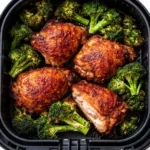 Air Fryer Chicken and Vegetables That Don’t Taste Like a Regret (30 Minutes, One Pan)