
I spent years getting scampi wrong. Either the garlic burned into bitter flecks or the sauce was a watery puddle that slid off the pasta like it was trying to escape. This version? I made it for my sister last Tuesday and she asked for the recipe before she finished eating. And my kids—who normally pick around shrimp—cleaned their bowls without being reminded. That never happens.
The short version: Twenty minutes, one skillet, linguine that stays glossy and coated instead of dry and sad.
I’ve made this about thirty times now, tweaking the garlic timing and the wine-to-butter ratio until it was exactly right. Every single time I land on this version, I’m still surprised at how little it takes to get that restaurant-into-the-takeout-container energy at home.
- Serves: 4 as a main
- Hands-On Time: 20 min | Total Time: 20 min
- Difficulty: Easy enough for a Tuesday, impressive enough for a Saturday
- Cost per serving: ~$4.50
- Calories: ~480 per serving
- Dietary Notes: Naturally dairy-free if you skip the Parmesan finish. Can be gluten-free with GF pasta.
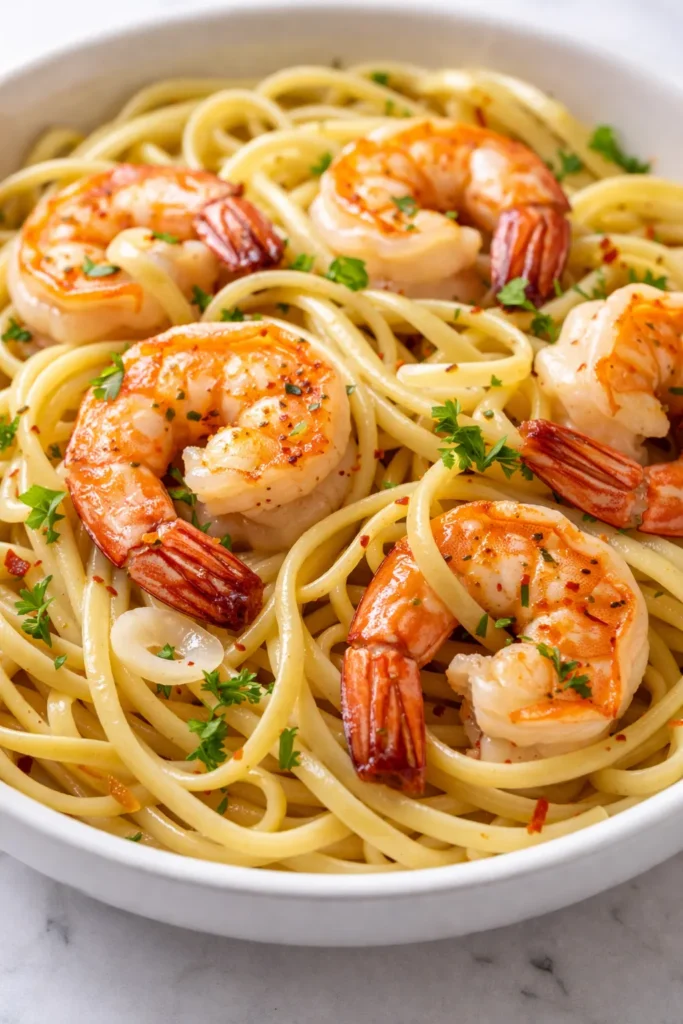
(Photo above: Overhead shot of twirled linguine in a wide, low white bowl, with three plump shrimp resting on top, a few scattered red pepper flakes, and a glossy pool of sauce pooled at the bottom. Lemon wedges on the side. Morning light from a south-facing window, no flash.)
The Thing That Makes This Sauce Stick (Not Slide)
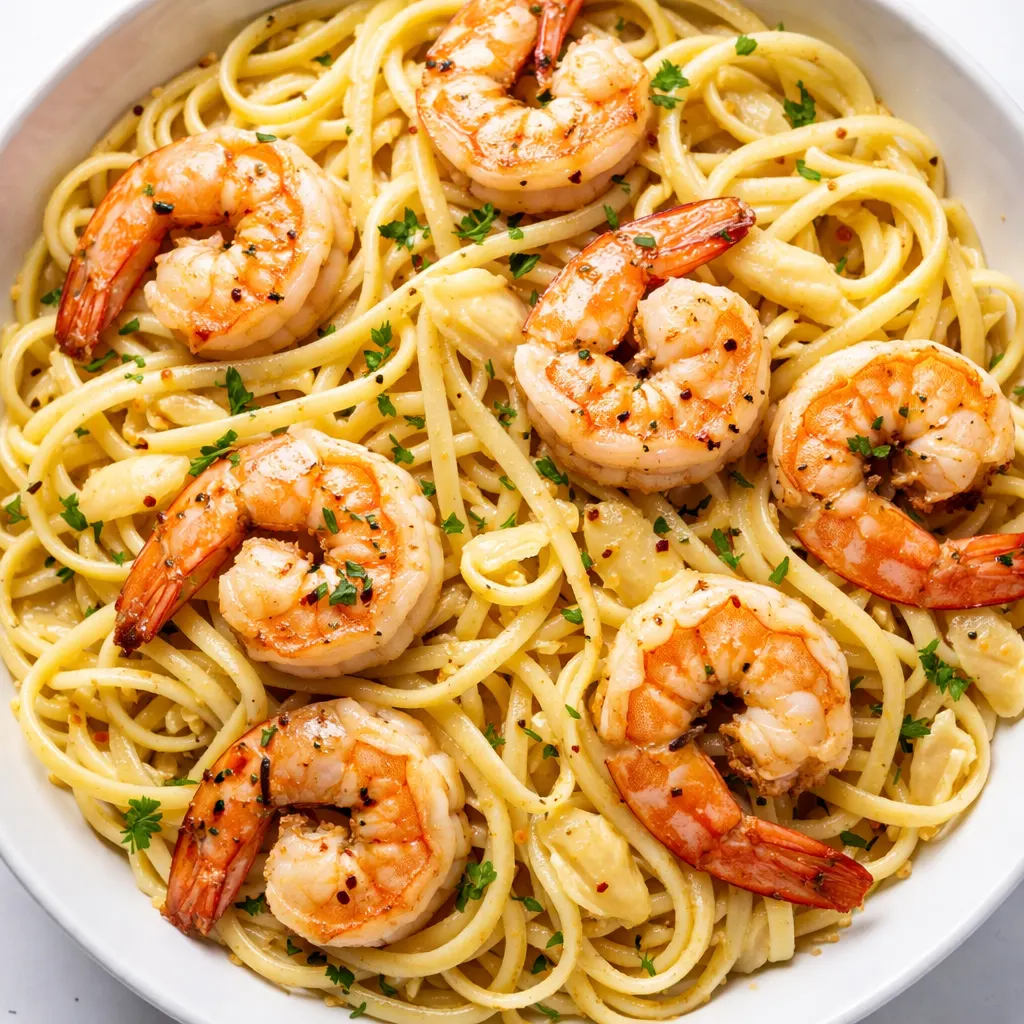
The secret is actually two things, but neither is complicated. First: you cook the garlic just long enough to wake it up, not long enough to turn it into a flavor grenade. I let it go about 45 seconds in the butter—until it smells like something you want to eat immediately—then pour in the wine. That stops the cooking right there. Second: you reserve a cup of pasta water and you use it. Not a splash. A full half-cup stirred in at the end, with the butter swirling in cold cubes so it emulsifies into the water instead of separating. That thin, starchy liquid is what clings to every strand of linguine like it was born there. I learned this the hard way after way too many bowls of dry pasta that needed a second drizzle of oil to feel alive.
Skip the pasta water step and the sauce will pool at the bottom of the bowl like an apology. Use it, and each forkful comes up coated and glossy. My husband thought I was overthinking it until he tasted the version without it. Now he’s the one saving the water.
Ingredients Worth Talking About
- 1 lb large shrimp (21-25 count), peeled and deveined: I buy frozen and thaw them under cold running water while I boil the pasta. Fresh is fine, but frozen is just as good here because you’re not serving them raw. Pat them super dry with paper towels—wet shrimp don’t brown, they steam.
- 1/2 lb dried linguine (or any long pasta): I use De Cecco because it holds a bite. If you swap for fresh pasta, reduce the cooking time by about half and add a little less pasta water—fresh absorbs less starch.
- 4 tbsp unsalted butter (divided): You’ll use 2 tbsp for the shrimp and 2 for the sauce. I’ve tried all-salt butter—it’s a little too salty with the pasta water already seasoned. Unsalted gives you control.
- 4 cloves garlic, thinly sliced (not minced): Slices brown slower than minced garlic and give you that nice, gentle garlic flavor without the burn. I know it’s tempting to mince, but trust me on this one—slices let you see when they’re done.
- 1/2 cup dry white wine (like Pinot Grigio or Sauvignon Blanc): The acidity cuts through the butter. If you don’t have wine, use a splash of white wine vinegar plus 1/2 cup chicken broth. It’s not the same, but it works in a pinch.
- 1/4 cup fresh lemon juice (about 2 lemons): Bottled lemon juice is too flat. Get the real thing. Roll the lemon on the counter before you cut it—you’ll get more juice.
- 1/4 cup chopped fresh parsley (flat-leaf): I know I said I’m not a parsley fan, but this is one of the few times it’s actually right—the clean, grassy notes balance the richness. Use flat-leaf, not curly. Curly has no flavor and a weird texture that my kids call “furry.”
- Flaky salt and cracked black pepper for finishing: Always flaky at the end—it gives you little bursts of salt that keep every bite interesting. My go-to is Maldon, but any flaky sea salt works.
- Red pepper flakes (optional but highly recommended): A pinch in the sauce, not the garnish. My kids say it’s “spicy but not spicy” and still eat the whole bowl.
- Fresh Parmesan (for serving, optional): I add it at the table, not in the pan, so each person gets exactly as much as they want. My oldest won’t eat it without, my youngest won’t eat it with. That’s why I leave it on the side.
What to Pull Out Before You Start
- Large pot for pasta (4-6 quart)
- 12-inch skillet (preferably stainless steel or nonstick)
- Colander
- Liquid measuring cup (for the pasta water)
- Chef’s knife and cutting board
- Tongs (for tossing the pasta)
That’s it. If you have a microplane for the lemon zest and Parmesan, great, but not required.
Let’s Make It (Step by Step, No Fancy Skills Required)
This cooks fast, so read through once before you start. I promise the hardest part is just the multitasking between pasta and skillet, and I’ll walk you through exactly how I do it.
Set up your station: Have your butter sliced, garlic sliced, and shrimp patted dry. Measure the wine and lemon juice in a small bowl. Fill the pasta pot with water, salt it generously (it should taste like the ocean), and bring it to a boil while you start the skillet.
- Cook the linguine: Drop the pasta into the boiling water and set a timer for 1 minute less than the package directions for al dente. It will finish cooking in the sauce, so you want it a little firmer than usual. While the pasta boils, move to step 2. (📸 Photo tip: When you drop the pasta, stir once immediately to keep it from sticking—the shot should show the water bubbling softly with the pasta submerged.)
- Sear the shrimp: In the cold skillet, add 2 tbsp butter. Turn the heat to medium-high. When the butter foams and subsides, add the shrimp in a single layer (work in two batches if needed). Cook 90 seconds per side—they should be golden pink, not gray. Don’t move them around. Let them sit and get that sear. When they’re done, use a slotted spoon to transfer them to a plate. They’ll finish cooking when you add them back later. (📸 Photo tip: Show the shrimp with those tiny brown spots on the first side—that’s the sear you want.)
- Sweat the garlic: Reduce the heat to medium-low. Add the remaining 2 tbsp butter to the same skillet. When it melts, add the garlic slices and red pepper flakes (if using). Cook, stirring constantly, for about 45 seconds—until the garlic is fragrant and just starting to turn golden at the edges. If it turns dark brown, take the pan off the heat. Burnt garlic ruins everything.
- Deglaze with wine and lemon: Pour in the white wine and lemon juice all at once. Turn the heat to medium-high and scrape up any browned bits from the bottom of the pan with a wooden spoon. Let it bubble until reduced by half, about 2 minutes. You should see a syrupy consistency that coats the back of a spoon.
- Marry the pasta and sauce: By now the pasta should be just a minute short of al dente. Use tongs to lift the linguine directly from the pasta pot into the skillet—reserve at least 1 cup of pasta water before draining. Add 1/2 cup of the pasta water to the skillet. Toss everything together over medium heat for 60-90 seconds. The starch in the pasta water will make the sauce cling. You should see it getting creamy and coating each strand. If the sauce looks too thin, add a little more pasta water a tablespoon at a time. If it looks too thick, don’t panic—it’ll loosen as the pasta sits. I always err on the side of slightly too much water.
- Finish with shrimp and parsley: Return the shrimp to the skillet (and any juices from the plate). Toss for 30 seconds just to warm them through. Add the parsley and toss one more time. Don’t cook the parsley into submission—it should stay bright green.
- Serve immediately: Divide among warm bowls (I run them under hot water while the pasta finishes to keep everything hot). Finish with flaky salt, a crack of black pepper, and Parmesan on the side. If you’re feeling fancy, a final squeeze of lemon over each bowl wakes everything up.
Sunday Prep = Easy Tuesday Dinner
This is the kind of recipe that’s already fast, but if you want to make it even easier on weeknights, here’s how I do it. I prep everything on Sunday, and then Tuesday I just boil water and sear shrimp—the whole thing takes ten minutes.
- Fridge: Store the prepped ingredients in separate containers: sliced garlic in a small jar, lemon juice pre-squeezed (use within 2 days), parsley washed and spun dry. The shrimp can be thawed, peeled, and patted dry, then stored in a covered bowl for up to 2 days.
- Freezer: Not recommended for the assembled dish. The pasta will turn to mush. But you can freeze raw shrimp (it’s already frozen when you buy it) and just thaw what you need.
- Reheat: This is best fresh. Leftovers (if you have any) reheat better in a skillet with a splash of water or wine than in the microwave. The microwave turns the shrimp rubbery and the sauce dry.
Things I Wish I’d Known the First Time
- Don’t skip the pasta water. I know I said it already, but it bears repeating. That starchy liquid is what makes the sauce cling instead of slide. I’ve forgotten it before—the pasta came out dry and sad. Learning experience.
- Salt the pasta water like you mean it. I aim for about 1 tablespoon of salt per gallon of water. It should taste briny, not bland. If you don’t salt the water enough, the whole dish will be underseasoned and no amount of finishing salt will fix it. My husband thought I was crazy the first time, then he tasted the difference.
- Let the shrimp get a real sear. Most people crowd the pan and move them constantly. Give them space and let them sit for 90 seconds without touching. You want those brown spots—that’s flavor. Even if you mess this part up a little and some shrimp don’t get perfectly golden, it’ll still taste delicious. I’ve done it.
- Taste the sauce before you add the pasta back. At step 5, after the wine reduces, dip a spoon in. It should be bright, garlicky, and a little salty from the pasta water. If it tastes flat, add a pinch of flaky salt or another squeeze of lemon. Adjust before the pasta goes in—once it’s tossed, it’s harder to fix.
Swaps That Actually Work
- Gluten-Free: Use GF linguine (I like Barilla or Jovial). Cook it according to package directions, but note that GF pasta tends to release less starch, so you may need to add an extra tablespoon of butter to thicken the sauce. My sister uses this version and says it’s just as good.
- Dairy-Free: Replace the butter with a high-quality olive oil (use 3 tbsp total—2 for the shrimp and 1 for the garlic). The sauce will be thinner and not as creamy, but the flavor is still bright and fresh. I’ve made this for my dairy-free nephew and he’s asked for seconds.
- Extra Veggies: Add a handful of cherry tomatoes or thin asparagus spears when you add the garlic. They’ll soften in the sauce and add color. My kids don’t even notice the tomatoes when they’re cooked down—they just think it’s extra sauciness.
- Spicy Version for Adults: Double the red pepper flakes and add a sliced serrano pepper with the garlic. I do this after the kids go to bed for date night at home.
- Make-Ahead for a Crowd: You can cook the pasta, sear the shrimp, and reduce the wine sauce separately up to 2 hours ahead. Before serving, reheat the sauce in the skillet with a splash of pasta water, add the pasta and shrimp, and toss. It won’t be quite as perfect as fresh, but close enough for a dinner party.
Questions I Get About This Recipe All the Time
Q: Why did my garlic burn?
A: Ugh, I’ve been there. The heat was too high. Garlic burns fast because it has sugar. Start with the butter over medium-low heat, and when it melts, add the garlic. You want it sizzling gently, not aggressively. If it starts turning brown too quickly, take the pan off the heat for a few seconds. You’ve got this next time—just drop the temp.
Q: Can I make this without wine?
A: Yes, but it won’t be the same. Use 1/2 cup chicken broth plus 1 tablespoon white wine vinegar (or lemon juice) to mimic the acidity. I’ve tested this, and it works—the vinegar gives you the brightness you need. My sister does this when she’s out of wine and says she’d never know the difference.
Q: How long do leftovers last? Can I freeze it?
A: Leftovers keep in an airtight container in the fridge for up to 2 days. Don’t freeze it—pasta gets mushy and shrimp turns rubbery. To reheat, put it in a skillet with a splash of water or broth over medium heat, tossing until warmed through. The microwave works in a pinch but dries out the shrimp, so I really do recommend the skillet.
Q: What do you serve with this?
A: A simple green salad with lemon vinaigrette is my go-to—the acidity stands up to the richness of the scampi. For something heartier, I’ll do roasted broccoli or asparagus on the side. My kids love it with crusty bread for sopping up the extra sauce. And if I’m feeling fancy, I’ll add a glass of the same white wine I used in the sauce.
More Recipes My Family Makes on Repeat
If you liked this one, here are a few others that get the same reaction at our table:
- One-Pan Lemon Chicken with Orzo — The same bright, garlicky energy, but with chicken and creamy orzo. My kids fight over the crispy skin.
- Garlic Butter Shrimp with Zucchini Noodles — For the nights when you want all the flavor without the carbs. My husband actually prefers this version—he says it’s lighter.
- 20-Minute Tomato Basil Pasta — When tomatoes are in season and you need zero effort. This is my emergency weeknight dinner.
I hope this scampi becomes your go-to the way it has for us. It’s the dish I make on nights when I need something that feels like a hug—quick, warm, and exactly right.
If you try it, drop a comment below and let me know how it went. I love hearing about your family’s reaction—especially the kids who surprise you by loving the shrimp.
📌 Shrimp scampi linguine recipe that stays glossy and garlicky instead of dry or watery — save it for the weeknight dinner you’ll want to make on repeat.
Shrimp Scampi Linguine
Equipment
- Large Pot
- 12-inch skillet
- Colander
- Liquid Measuring Cup
- Chef’s knife
- Cutting board
- Tongs
Ingredients
Shrimp Scampi
- 1 lb large shrimp (21-25 count), peeled and deveined
- 1/2 lb dried linguine (or any long pasta)
- 4 tbsp unsalted butter (divided)
- 4 cloves garlic, thinly sliced
- 1/2 cup dry white wine (Pinot Grigio or Sauvignon Blanc)
- 1/4 cup fresh lemon juice (about 2 lemons)
- 1/4 cup chopped fresh parsley (flat-leaf)
- to taste flaky salt and cracked black pepper for finishing
- optional red pepper flakes (optional but highly recommended)
- to taste fresh Parmesan (for serving, optional)
Instructions
- Set up your station: Slice the butter and garlic, pat the shrimp dry. Measure wine and lemon juice in a small bowl. Fill a large pot with water, salt generously (it should taste like the ocean), and bring to a boil while you start the skillet.
- Cook the linguine: Drop the pasta into the boiling water and set a timer for 1 minute less than the package directions for al dente. It will finish in the sauce. Stir once to keep from sticking.
- Sear the shrimp: In a cold 12-inch skillet, add 2 tbsp butter. Turn heat to medium-high. When the butter foams and subsides, add the shrimp in a single layer (work in batches if needed). Cook 90 seconds per side until golden pink. Transfer to a plate with a slotted spoon.
- Sweat the garlic: Reduce heat to medium-low. Add the remaining 2 tbsp butter to the same skillet. When melted, add garlic slices and red pepper flakes (if using). Cook, stirring constantly, about 45 seconds until fragrant and just starting to turn golden at edges. Do not let it burn.
- Deglaze with wine and lemon: Pour in the white wine and lemon juice all at once. Increase heat to medium-high and scrape up any browned bits from the pan. Let bubble until reduced by half, about 2 minutes — the sauce should coat the back of a spoon.
- Marry the pasta and sauce: By now the pasta should be just short of al dente. Use tongs to lift the linguine directly from the pasta pot into the skillet — reserve at least 1 cup of pasta water before draining. Add 1/2 cup of the pasta water to the skillet. Toss everything together over medium heat for 60-90 seconds until the sauce clings and becomes creamy. Add more pasta water a tablespoon at a time if needed.
- Finish with shrimp and parsley: Return the shrimp to the skillet (with any juices). Toss for 30 seconds to warm through. Add the parsley and toss one more time. Do not cook the parsley down.
- Serve immediately: Divide pasta among warm bowls. Finish with flaky salt, a crack of black pepper, and Parmesan on the side. A final squeeze of lemon over each bowl wakes everything up.
Notes
Related Recipes:
 Cheesy Hamburger Casserole Bake That’s Ready in 40 Minutes (No Canned Soup Here)
 Lemon Capellini Salad for Late Summer Evenings: Bright, Tangy, Ready in 20 Minutes
 Creamy Garlic Tagliatelle That Looks Like a Restaurant Dish in 20 Minutes
 Texas Roadhouse Style Baked Salmon with Sweet and Savory Glaze — Ready in Under 30 Minutes
 Easy Italian Meatloaf That’s Actually Juicy (Not Dry) — in 1 Hour
 The Biscuits and Gravy Casserole That’s Actually Crispy on Top (And Ready in 40 Minutes)