
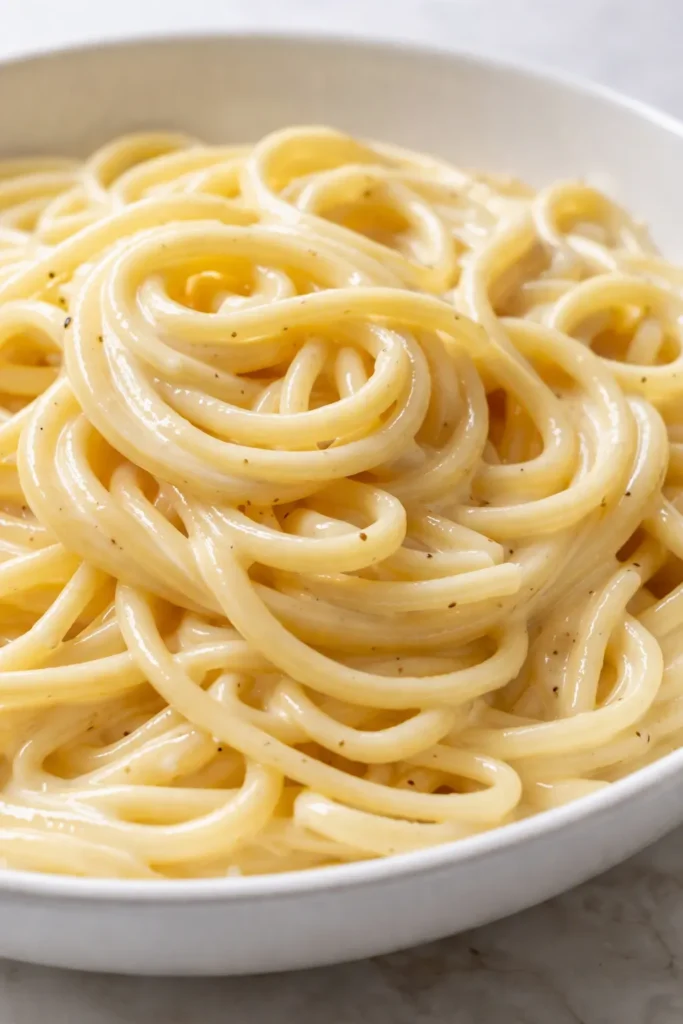
I’ve made a lot of creamy lemon pasta in my day — the kind that clumps, the kind that tastes like nothing but butter, the kind my kids poke at with a fork and then ask if we can order pizza instead. This one is none of those. The first time I made it, my husband looked up from his bowl and said, “you could absolutely charge money for this.” (He says that about everything, but he ate three servings that night.)
The short version: Bright, silky, and done in 25 minutes — and my kids fight over the leftovers every single time. I make this at least once a week from March all the way through June, when the lemons are at their best and the whole kitchen smells like something I wish I could bottle.
- Serves: 4 as a main course
- Hands-On Time: 25 min | Total Time: 25 min
- Difficulty: Easy — even on a Tuesday when everyone is hungry and you haven’t had coffee since 7am
- Cost per serving: About $2.50
- Calories: ~580 per serving
- Dietary Notes: Vegetarian; easily made gluten-free or dairy-free (my swaps are below)
(Photo above: a low-angle shot of spaghetti twirled high on a fork, glossy cream sauce catching the afternoon light, a shower of freshly grated parmesan and a curl of lemon zest on top, white ceramic bowl on a rustic wood table with a linen napkin and a sprig of basil on the side.)
The Reason This Sauce Doesn’t Curdle (It’s Not Luck)
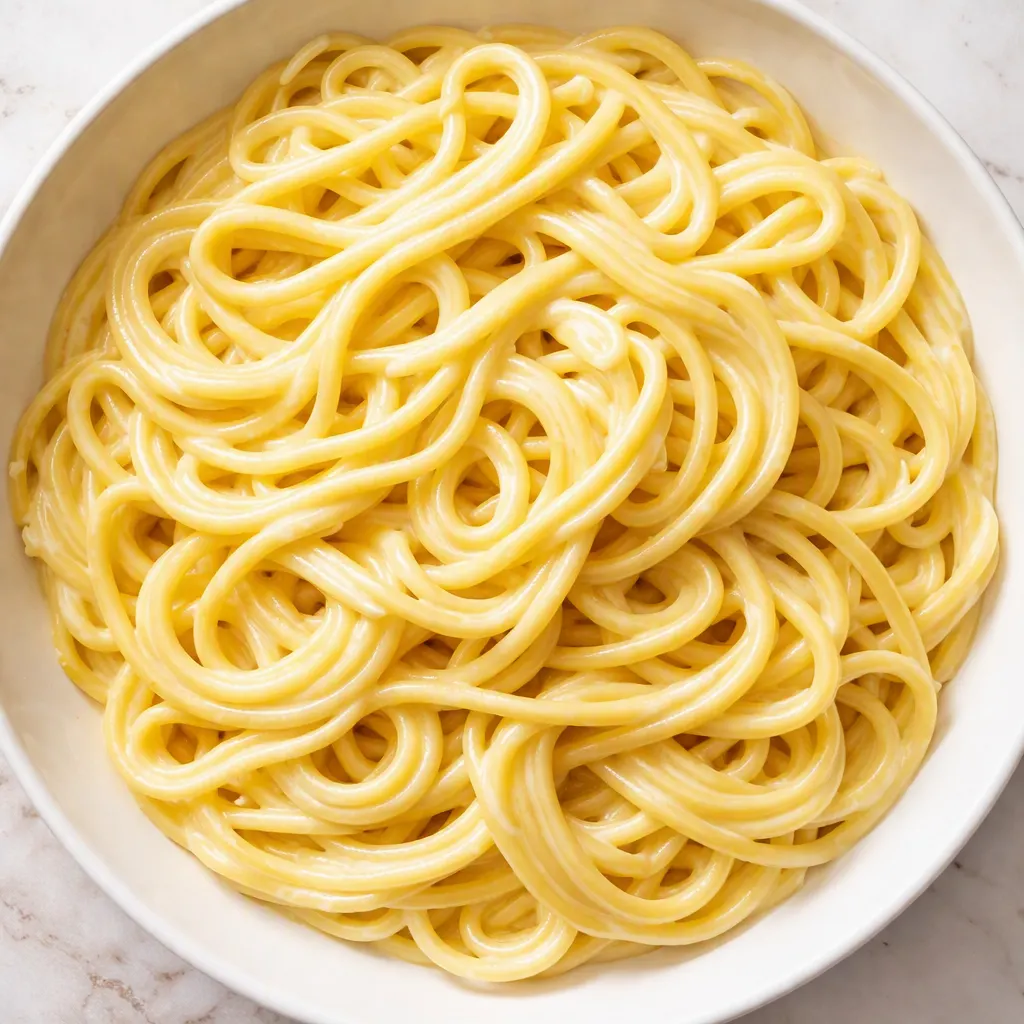
I’ll be real with you: the first few times I tried to make creamy lemon pasta, the sauce either broke into a greasy mess or turned into this weird, chalky, lumpy situation that made my kids look at me with deep suspicion. The fix wasn’t a fancy trick. It was just knowing two things.
First, the cheese goes in after the pan comes off the heat. I know it’s tempting to dump it all in while the cream is bubbling away, but that heat makes the parmesan seize up and turn grainy. Off the heat, whisking it in a handful at a time, the cheese melts into the cream like it’s been there all along. Second, that starchy pasta water you almost drained down the sink? That’s the glue. The pasta water thickens the sauce and keeps the cream and cheese from separating — it’s what gives you that silky, restaurant-quality cling instead of a thin puddle at the bottom of the bowl.
The result is a sauce that’s rich but still bright, creamy but somehow light, with lemon flavor that actually tastes like lemon instead of just a suggestion of it. My nine-year-old — who once described a fancy pasta as “too fancy” — calls this one “the good yellow spaghetti.” That’s basically a Michelin star in our house.
What Goes In — Plus My Honest Notes
- 12 oz spaghetti or linguine: You want something long and twirl-able — the sauce clings to long noodles way better than it does to short shapes. My kids call this “spaghetti that tastes like sunshine,” which is honestly the best review I’ve ever gotten.
- 1 cup heavy cream: This is the one recipe where I don’t swap in milk or half-and-half. The cream gives the sauce its thick, luxurious texture without needing a roux or any other fuss. If you only have half-and-half, it’ll still be good — just a little thinner. I’ve been there on a Sunday when the store was closed.
- 2 large lemons: You’ll use the zest from both and the juice from one (maybe the second one if you like it extra tangy like I do). Please don’t use bottled lemon juice here. I know it’s convenient, I’ve used it myself in a pinch, and it makes a pasta that tastes vaguely like lemon cleaner. Fresh lemons are the whole point.
- 1 cup freshly grated parmesan: Get the block and grate it yourself — the pre-shredded bags have anti-caking powder that turns the sauce gritty. I grate a giant bowl of it while the pasta water comes to a boil, so it doesn’t feel like extra work.
- 4 tbsp unsalted butter: Butter plus cream plus parmesan is the holy trinity of a great pasta sauce. I’ve used salted butter when that’s all I had and just skipped the extra salt at the end — works fine.
- 3 garlic cloves: Minced fine. You want the garlic to perfume the sauce, not overpower the lemon. When I’m feeling extra tired, I use 2 cloves and nobody in my family notices.
- Red pepper flakes (optional): A tiny pinch adds a warmth that makes the lemon shine more. My husband thinks it’s “too spicy” if I use more than a pinch, so I keep it gentle.
- Fresh basil and flaky salt for serving: The basil is non-negotiable in my book — it adds that fresh, peppery-sweet finish that makes the whole dish sing. My kids pick the basil off and then I put it back on their plates and they pretend to be annoyed.
What to Pull Out Before You Start
- A large pot for pasta — at least 5 quarts, so the noodles have room to move around
- A large skillet or sauté pan — 12 inches is ideal; you want room to toss the pasta without it flying everywhere
- A microplane for zesting — this is the one tool I’d actually beg you to buy; a regular grater will shred the zest into big, bitter chunks
- A box grater for the parmesan
- Tongs for tossing the pasta into the sauce
- A liquid measuring cup to scoop out the pasta water — keep it close by!
That’s it. No blender, no food processor, no special equipment. I’ve made this in my parents’ kitchen with their ancient scratched-up skillet, and it came out just as good.
Let’s Make It, Step by Step
Here’s the thing about this recipe: it moves fast. The sauce comes together in about the same time it takes the pasta to cook, so read through once before you start. It’s genuinely easy — just active.
Start the pasta water: Fill your big pot with water, season it generously — and I mean generously — with salt, and bring it to a boil. The water should taste like the ocean. This is the only chance the pasta itself has to get seasoned.
- Cook the pasta: Add the spaghetti and cook it for about 1 minute less than the package says — it’ll finish cooking in the sauce, and that extra minute keeps it from turning mushy. Right before you drain, scoop out about 1½ cups of that starchy pasta water and set it aside. (📸 Photo tip: If you’re wondering how much salt to add, the water should look clear but taste like a good broth when you dip a spoon in — that’s your cue.)
- Start the sauce while the pasta cooks: In your large skillet over medium-low heat, melt the butter. Add the minced garlic and a big pinch of red pepper flakes if you’re using them. Cook for 1 to 2 minutes, stirring, until the garlic is fragrant but not browned at all — browned garlic turns bitter, and you can’t un-bitter it. This is the step where I answer three questions about homework and somehow it always turns out fine.
- Add the cream and lemon zest: Pour in the heavy cream and add all the zest from both lemons — all of it. The zest is where the magic lives; the oil in the zest is what makes the sauce smell like a lemon meringue pie. Stir and let it come to a gentle simmer, then immediately drop the heat to low. Let it bubble softly for 3 to 4 minutes until it coats the back of a spoon. (📸 Photo tip: At this point, the sauce should look smooth and pale yellow, with tiny specks of lemon zest throughout — like a soft custard before it sets.)
- Melt in the parmesan — off the heat: Turn the burner off completely. Now whisk in the grated parmesan, a big handful at a time, waiting each time until it melts before adding more. This is the step that keeps the sauce silky instead of grainy, so don’t rush it. If it ever feels too thick, you’ll fix that in the next step.
- Toss the pasta with the sauce: Add the drained pasta right into the skillet with the sauce. Turn the heat back to low, add about ½ cup of the reserved pasta water, and toss everything with tongs. Keep tossing and add more pasta water a splash at a time until every strand is coated and the sauce looks glossy — almost a little too loose. Trust me, it will tighten up right before your eyes. (📸 Photo tip: This is your money shot — the sauce should look like it’s hugging each strand of pasta, not pooling separately at the bottom. If it looks too thin, give it 30 seconds of tossing and watch it transform.)
- Squeeze the lemon juice last: Turn the heat off, squeeze in the juice from one lemon, and toss again. This is my favorite part — the moment the lemon juice hits the warm cream and the whole skillet smells like spring. Taste it and add salt if it needs it. If I’m feeling like a fancy grown-up dinner, this is when I add another squeeze from the second lemon. If I’m feeding my kids, one lemon is perfect.
- Serve it warm: Twirl the pasta into bowls, then top each one with a little extra parmesan, some torn basil, a few flakes of flaky salt, and maybe one more thin curl of lemon zest because it looks gorgeous. Eat it right away — this pasta is at its absolute best within the first ten minutes.
How I Stretch This for the Week (Without Sad Leftovers)
Listen, this is one of those dishes that’s honestly best the night you make it. But I’m not here to pretend I never eat leftovers, so here’s what I actually do: I make the full pound of pasta on Sunday night and we have it for dinner, then I pack the rest into lunch containers before my kids can polish it off. It’s not quite as glossy the next day, but a splash of water and a gentle warm-up brings most of it back to life.
- Fridge: Store in an airtight container for up to 3 days. Reheat low and slow with a splash of milk or pasta water to loosen the sauce back up.
- Freezer: I don’t recommend it — cream sauces get grainy and weird when they thaw, and this pasta is genuinely so quick that you don’t need to freeze it anyway. Make it fresh when you want it.
- Reheat: Honestly, the microwave works fine in 30-second bursts if you stir between each one. The stovetop over low heat is better if you have the extra three minutes — just add a splash of water and stir until the sauce smooths out again.
My Honest Advice After Making This 30+ Times
- Zest the lemons before you juice them: I cannot tell you how many times I’ve juiced a lemon and then realized I still needed the zest. A cut and juiced lemon is awkward and slippery to grate, and you end up with shredded knuckles and half the zest stuck to your cutting board. Zest first. Every time. It takes 30 seconds and saves you a world of frustration.
- Grate your own parmesan. I’m serious: I know the bag is right there. I know it’s cheaper. But the anti-caking powder in pre-shredded cheese does something weird to cream sauces — it makes them gritty and slightly chalky. A good block of parmesan takes two minutes to grate, and the texture difference is night and day. My husband thought I was being a snob until he tasted both versions side by side.
- Trust the “too loose” moment: Every single time I make this, I panic for about ten seconds when the sauce looks too thin after I add the pasta water. Then I keep tossing, and by the time I’m plating, it’s exactly right. The sauce thickens as it clings to the hot pasta, so don’t be tempted to add more cheese to fix it — it’ll seize.
- Don’t walk away from the garlic: Garlic goes from fragrant to bitter in about 45 seconds when it’s in a hot pan. Stay there. Stir it. The moment it smells amazing, add the cream. Even if you mess this up a little — the garlic gets a bit too dark, the sauce curdles from the heat — add an extra splash of pasta water and whisk hard. Nine times out of ten, it comes back together. I’ve done it. It’ll still taste good.
Swaps That Actually Work (I’ve Tested Them)
- Dairy-Free: Use full-fat coconut cream (the solid part from a chilled can of coconut milk) in place of the heavy cream, and add 2 tablespoons of nutritional yeast along with the parmesan — though honestly, the lemon and garlic do most of the heavy lifting here. I make this version for my nephew who’s allergic to dairy, and he asked for seconds. It’s not identical, but it’s genuinely delicious in its own right.
- Add protein: Pan-sear some chicken thighs or shrimp and serve them right on top. Shrimp cooks in about 90 seconds in a separate pan, and the lemony cream sauce is basically made for it. This is my “date night at home” version.
- Gluten-Free: Use your favorite gluten-free spaghetti — I like the rice-based ones because they hold up well. Cook them slightly less than the package says and reserve extra pasta water, because GF pasta likes to drink it up.
- Load it with vegetables: Stir in a big handful of baby spinach at the end and let it wilt into the sauce, or add a cup of frozen peas right after the cream comes to a simmer. My kids call the pea version “sunshine spaghetti with green confetti,” and I have no notes.
- The “fancy guest” version: Top each bowl with toasted breadcrumbs tossed in olive oil and lemon zest. It adds this little crunch that makes it feel like you spent three hours in the kitchen instead of 25 minutes.
The Questions I Get About This Recipe All the Time
Q: Why did my sauce curdle and turn grainy?
A: Ugh, I’ve been there. It almost always happens because the heat was too high when the cheese went in, or the cheese went in all at once. The fix is to take the pan completely off the heat before adding the parmesan, and add it in handfuls, whisking until each one disappears. If it already curdled, try whisking in a few tablespoons of cold water or cream — sometimes you can bring it back. You’ve got this next time.
Q: Can I make this with milk or half-and-half instead of heavy cream?
A: I get asked this constantly, and here’s my honest answer: you can, but it won’t be as thick or silky. Half-and-half will make a thinner, lighter sauce that’s still really tasty. Regular milk will turn out closer to a lemony broth — good, but a totally different dish. If all you have is milk, add a little extra parmesan to help thicken things up.
Q: How long does creamy lemon pasta last in the fridge? Can I freeze it?
A: It’ll keep in an airtight container in the fridge for up to 3 days. I don’t recommend freezing it — cream sauces tend to separate and turn grainy when they thaw. Honestly, it comes together so fast that making a fresh batch takes less time than defrosting a frozen one. I say this as someone who loves a good freezer meal: this one’s better fresh.
Q: What do you serve with this pasta?
A: In our house, it’s a crusty baguette slathered with butter and a simple arugula salad with lemon vinaigrette — the sharp greens balance out all that cream. If I’m feeding a crowd, I’ll add a sheet pan of roasted chicken thighs and some garlic bread. My kids love it with butter-toasted bread and absolutely nothing green on their plates. You know how it is.
More Recipes My Family Makes on Repeat
If this one earned a spot in your dinner rotation, here are a few others that get the same kind of reaction at my table:
- [INTERNAL LINK PLACEHOLDER: One-Pot Tomato Basil Pasta] — The sauce cooks right in the same pot as the pasta, which means about four dirty dishes total and dinner on the table before anyone melts down.
- [INTERNAL LINK PLACEHOLDER: Garlic Butter Shrimp Pasta] — Ready in 20 minutes, fancy enough for date night, and my kids eat the shrimp before I can even get it to the table.
- [INTERNAL LINK PLACEHOLDER: Sheet Pan Chicken Parmesan] — All the crunchy, cheesy goodness of the classic without standing over a frying pan of hot oil.
That first twirl — the one where the lemon hits your nose before the fork even reaches your mouth — is the whole reason I keep coming back to this recipe. Whether it’s a busy Tuesday night or a lazy Sunday dinner, this creamy lemon pasta has honestly never let me down, and something tells me it won’t let you down either.
If you make it, I’d love to know how it goes — drop a comment below or tag me in your photos so I can see that glossy, lemony goodness. There’s a special place in my heart for every single bowl of this pasta that leaves someone else’s kitchen smelling like spring.
📌 Creamy lemon pasta recipe that comes together in 25 minutes with one pot and one skillet — save it for your next busy weeknight dinner.
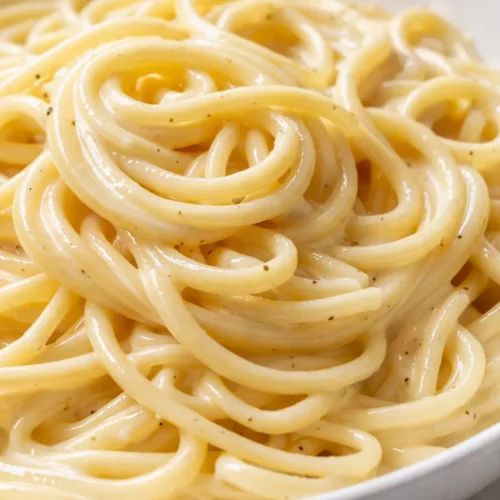
Creamy Lemon Pasta
Equipment
- Large Pot
- Large Skillet
- Microplane
- Box grater
- Tongs
- Liquid Measuring Cup
Ingredients
Pasta
- 12 oz spaghetti or linguine
- 1 1/2 cups reserved pasta water
Sauce
- 1 cup heavy cream
- 2 large lemons, zested and juiced
- 1 cup freshly grated parmesan
- 4 tbsp unsalted butter
- 3 cloves garlic, minced
- 1 pinch red pepper flakes (optional)
For Serving
- 1 handful fresh basil leaves, torn
- 1 pinch flaky salt
Instructions
- Cook the pasta: bring a large pot of generously salted water to a boil. Add the spaghetti and cook it for about 1 minute less than the package directions. Right before draining, scoop out 1 1/2 cups of starchy pasta water and set it aside.
- Start the sauce while the pasta cooks: in a large skillet over medium-low heat, melt the butter. Add the minced garlic and a big pinch of red pepper flakes, if using. Cook for 1 to 2 minutes, stirring, until the garlic is fragrant but not browned.
- Add the cream and lemon zest: pour in the heavy cream and add all the zest from both lemons. Stir and let it come to a gentle simmer, then reduce the heat to low. Let it bubble softly for 3 to 4 minutes until it coats the back of a spoon.
- Melt in the parmesan off the heat: turn the burner off completely. Whisk in the grated parmesan, a big handful at a time, waiting each time until it melts before adding more. This keeps the sauce silky instead of grainy.
- Toss the pasta with the sauce: add the drained pasta to the skillet. Turn the heat back to low, add about 1/2 cup of the reserved pasta water, and toss with tongs. Keep tossing, adding more pasta water a splash at a time, until every strand is coated and the sauce looks glossy.
- Squeeze the lemon juice last: turn off the heat, squeeze in the juice from one lemon, and toss again. Taste and add salt if needed. For extra tang, squeeze in juice from the second lemon.
- Serve it warm: twirl the pasta into bowls and top with extra parmesan, torn basil, flaky salt, and a curl of lemon zest. Eat right away, ideally within the first ten minutes.
Notes
Related Recipes:
 Cheesy Hamburger Casserole Bake That’s Ready in 40 Minutes (No Canned Soup Here)
 Creamy Garlic Tagliatelle That Looks Like a Restaurant Dish in 20 Minutes
 Texas Roadhouse Style Baked Salmon with Sweet and Savory Glaze — Ready in Under 30 Minutes
 Easy Italian Meatloaf That’s Actually Juicy (Not Dry) — in 1 Hour
 The Biscuits and Gravy Casserole That’s Actually Crispy on Top (And Ready in 40 Minutes)
 Air Fryer Chicken and Vegetables That Don’t Taste Like a Regret (30 Minutes, One Pan)