
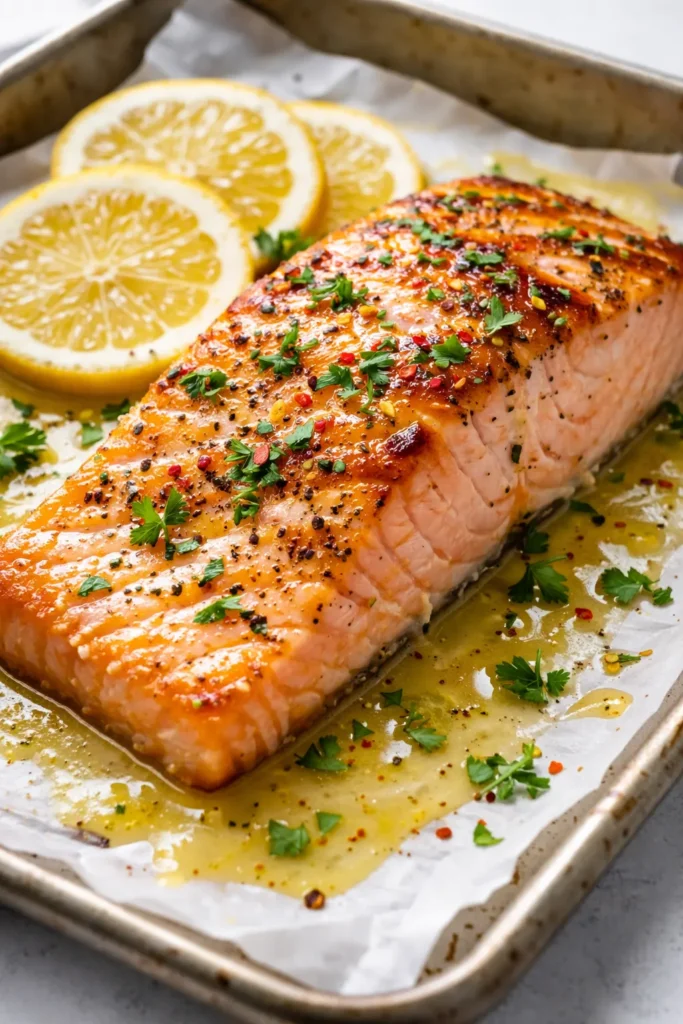
The first time I made this, I actually texted a photo to my sister before I even took a bite. That’s the test — would you interrupt someone’s day just to show them what’s on your plate? This baked salmon with lemon butter cream sauce passed that test with flying colors. It’s the kind of thing that looks like you spent an hour composing a plate, but it comes together in the time it takes to watch half an episode of something on Netflix.
The short version: Perfectly baked salmon in a rich, silky lemon butter cream sauce that doesn’t split or curdle, and it’s on your table in 30 flat.
I’ve tested this with everything from the frozen packs at Trader Joe’s to the wild-caught fillets from the fancy fish counter. The one thing they all have in common? They disappear fast. My picky nine-year-old asked for it three weeks in a row, which in our house is basically a standing ovation.
- Serves: 4 as a main
- Hands-On Time: 15 min | Total Time: 30 min
- Difficulty: Easy — impressive enough for company, fast enough for a Tuesday
- Cost per serving: ~$6.00
- Calories: ~425 per serving
- Dietary Notes: Naturally gluten-free. Low-carb friendly.
(Photo above: Overhead shot of a perfectly cooked salmon fillet on a simple white dinner plate, the creamy lemon butter sauce spooned deliberately in a swoop across the middle, a sprinkle of fresh dill and bright white flakes of sea salt over the top, roasted asparagus on the side, soft natural light from a window casting a gentle shadow across the table.)
Why This Salmon Works Better Than Every Other Version I Tried
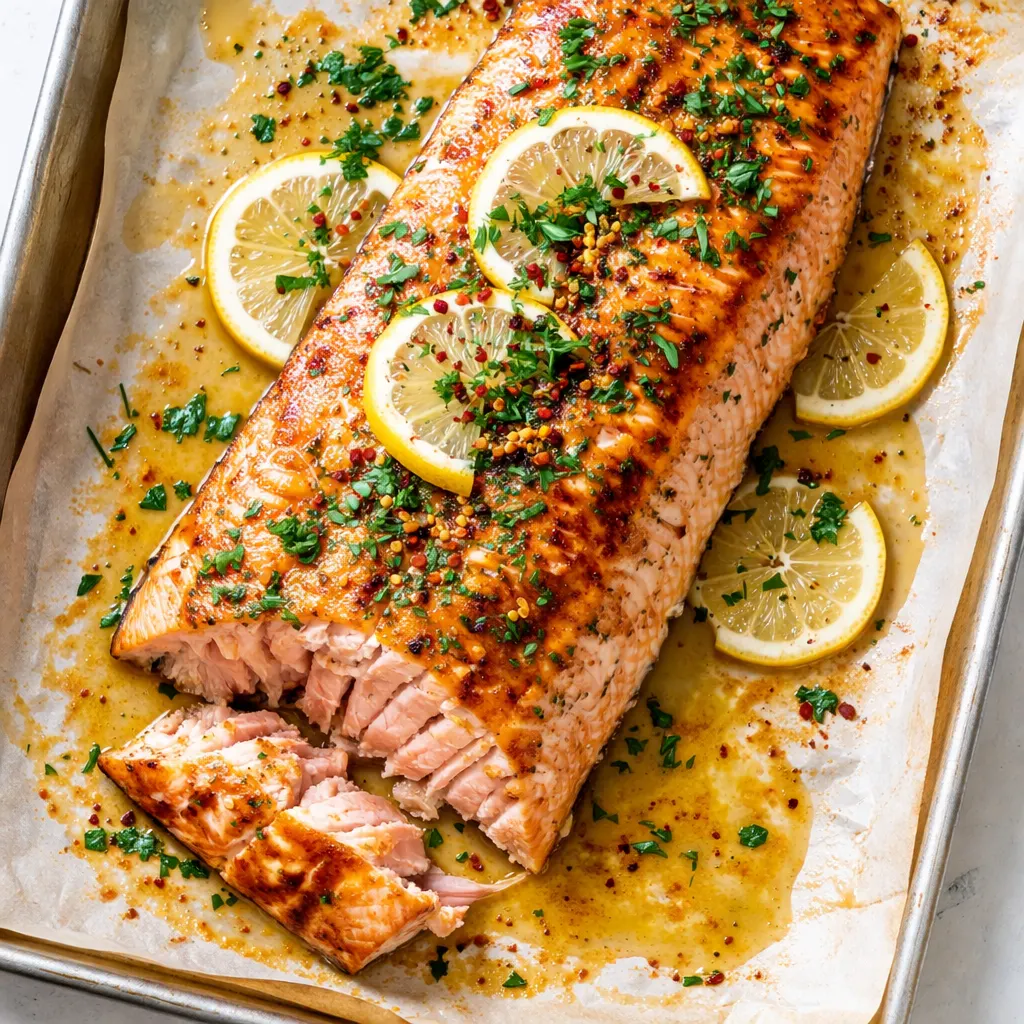
Most baked salmon recipes have one of two problems. Either the fish comes out dry and sad, or the sauce is watery and bland. This version avoids both traps by treating the fish and the sauce as two separate projects that happen to meet on the plate. That alone changes everything.
The salmon gets a high-heat roast with a quick broil at the end — this gives you that golden, slightly caramelized top without cooking the center past tender. Meanwhile, the sauce is built in a separate pan, which means it has time to thicken properly and develop flavor without releasing a bunch of fish water into it. The result is a luxe, emulsified sauce (fancy word for “it doesn’t split”) that actually tastes like butter and lemon, not just warm milk.
The other non-negotiable move? Salt the salmon 10 minutes before it goes in. This draws out a tiny bit of moisture, seasons it all the way through, and helps the flesh stay flaky instead of mushy. I learned this the hard way after too many bland, watery fillets. A little patience here pays off big.
The Grocery List (With My Honest Notes)
- 4 (6-oz) salmon fillets: Center-cut is the sweet spot — thin tail pieces cook too fast, and the belly is too fatty. Skin-on or skinless works, just pat them dry either way.
If you’re using frozen, thaw them fully in the fridge overnight and really squeeze out the extra moisture with a paper towel. Water is the enemy of a good sear. - 1 cup heavy cream: Don’t sub half-and-half here. The fat content is what keeps the sauce from splitting when you add the lemon juice. I’ve tested it. It matters.
My kids can smell the difference when I use low-fat cream, I’m not even kidding. - 1 large lemon: You need both the zest and the juice. The zest has all the aromatic oils that make it taste like lemon, not just sour. Zest it before you juice it — trust me on this.
I made the mistake of juicing first once and spent 10 minutes trying to zest a floppy, sad lemon rind. - 4 tbsp unsalted butter, cold, cut into cubes: This is the whole trick. Cold butter, added at the very end off the heat, gives the sauce its glossy, silky texture.
Pop it in the freezer for 5 minutes if you forgot to leave it out. - 1 small shallot, finely minced: Red onion works in a pinch, but shallot has a mildness that melts into the background and doesn’t overpower the fish.
- 2 cloves garlic, minced: Fresh garlic, not the jarred stuff. It’s the difference between a sauce that tastes fresh and one that tastes like a jar.
- Salt and pepper: Flaky sea salt for the finish is non-negotiable. It adds texture and a clean hit of salt that contrasts with the rich sauce.
- Fresh dill: Dried works in a pinch, but fresh adds a visual pop and a cleaner flavor. Plus it makes the plate look intentional, which is sort of my whole thing.
- Optional side: asparagus or green beans. They can roast right alongside the salmon on the same pan. Less cleanup, more vegetables.
What You’ll Need (It’s a Short List)
- A baking sheet or half-sheet pan. Line it with parchment paper for embarrassingly easy cleanup.
- A small saucepan. Doesn’t need to be fancy — you’re just making sauce.
- A whisk. It helps the sauce come together smoothly.
- A chef’s knife and a cutting board.
That’s it. No special equipment, no fancy gadgets. If you have these things, you’re ready.
Let’s Make It (Step by Step)
Quick heads-up: the actual cooking goes fast, so read through once before you turn on the oven. Most of these steps are 30 seconds each.
Prep the salmon: About 10 minutes before you start cooking, pat the salmon fillets dry with a paper towel. Season both sides generously with salt and pepper. Let them sit at room temperature.
- Preheat the oven: Set it to 400°F. Arrange a rack in the upper third position so the broiler can do its thing at the end. Line your baking sheet with parchment paper.
- Roast the salmon: Place the fillets on the prepared baking sheet, skin-side down if they have skin. Roast for 10 to 12 minutes, depending on how thick the fillets are. The center should still look slightly translucent — it will keep cooking after you pull it out. (📸 Photo tip: You’re looking for the edges to turn opaque and a slight golden color on top. The center should still have a tiny bit of give when you press it gently.)
- Broil for color: Switch the oven to broil and cook for 1 to 2 minutes more. Watch it closely — this happens fast. You want a light golden top, not a burnt one. My husband burned the first batch by walking away to answer a text. Set a timer on your phone.
- Start the sauce: While the salmon roasts, melt 1 tablespoon of the butter in a small saucepan over medium heat. Add the minced shallot and cook, stirring, until soft and translucent, about 2 minutes. Add the minced garlic and cook for 30 seconds until fragrant.
- Make it creamy: Pour in the heavy cream, add the lemon zest, and season with a pinch of salt and pepper. Bring it to a gentle simmer (not a full boil) and let it cook for 2 to 3 minutes, until it thickens slightly. Stir occasionally so the bottom doesn’t scorch. (📸 Photo tip: The sauce should be pale yellow and coat the back of a spoon. If it looks too thin, give it another minute. If it looks too thick, add a splash of cream or water.)
- Finish the sauce off the heat: Remove the pan from the burner. Whisk in the cold butter cubes, one at a time, until each is fully melted and the sauce looks glossy and smooth. Stir in 1 to 2 tablespoons of fresh lemon juice, to taste. Taste it and add more salt, pepper, or lemon until it sings. This is the step that makes the sauce look like a restaurant did it. The cold butter emulsifies into the cream and creates that silky texture that doesn’t break.
- Plate and serve: Spoon a generous amount of the sauce onto each plate, spreading it slightly so it creates a bed. Place the salmon fillet on top. Sprinkle with fresh dill and a pinch of flaky sea salt. Serve immediately.
How I Prep This for the Week
I make a double batch of the sauce on Sunday and keep it in the fridge. Then during the week, I just roast the salmon fresh and warm the sauce gently on the stove. It feels like a fancy dinner on a night when I have approximately zero energy left.
- Fridge: Store the salmon and sauce in separate airtight containers for up to 3 days. The sauce thickens as it sits — that’s normal.
- Freezer: I don’t recommend freezing the sauce — cream sauces can get grainy when thawed. The salmon freezes fine for up to a month if you wrap it tightly.
- Reheat: Reheat the salmon gently in a 300°F oven for 5 to 7 minutes. Warm the sauce on the stove over the lowest heat, whisking in a splash of water or cream to bring it back to its original consistency. The microwave will make the sauce split. Don’t do it. I’ve done it so you don’t have to.
Things I Learned the Hard Way (So You Don’t Have To)
- Cold butter is non-negotiable. If your butter is soft, the sauce will break into a greasy mess. Throw the cubes in the freezer for 5 minutes if you forgot to leave them out. It’s a small step that makes a huge difference.
- Don’t crowd the pan. Give the salmon fillets a little breathing room on the baking sheet. If they’re touching or crowded together, they’ll steam instead of roast. You want golden edges, not pale, sad fish.
- Add the lemon last. Acid reacts with cream. If you add the lemon juice too early, the sauce can separate. Stir it in off the heat, right before you serve, and you’ll get that bright flavor without any curdling.
- Trust your nose. If the sauce starts to smell more like flour or boiled milk than rich cream, you’ve cooked it too long or the heat was too high. Pull it off earlier next time. Even if you mess this part up a little, it’ll still be good — I’ve definitely eaten a slightly over-reduced sauce and didn’t complain once.
Swaps That Actually Work (Tested by Me)
- Dairy-free version: Use full-fat coconut milk and vegan butter. It won’t be exactly the same, but it’s genuinely good and my dairy-free friends have given it two thumbs up.
- Herb swap: Don’t have dill? Chives or fresh tarragon work beautifully. Parsley works in a pinch, but it’s not my favorite — it doesn’t have that specific aromatic quality that pairs so well with salmon.
- Add capers: A tablespoon of capers, drained and stirred into the sauce right before serving, adds that briny, salty pop that’s so good with salmon. I do this when I want the “I went to culinary school” version.
- Side swap: Serve it over rice, pasta, or with roasted potatoes to soak up the extra sauce. My kids prefer it with buttered noodles, and I’m not mad about it.
- Lemon lovers: Add a thin slice of lemon on top of each fillet before roasting. It looks pretty and infuses the fish with even more citrus flavor.
Questions I Get About This Salmon All the Time
Q: Why did my sauce look curdled or separated?
A: The cream was too hot or the heat was too high. Next time, pull the pan completely off the heat before you add the cold butter cubes, and whisk constantly. If it starts to look funny, a splash of cold heavy cream and a very vigorous whisk will usually bring it back. I’ve saved a sauce this exact way more times than I care to admit.
Q: Can I use Greek yogurt or milk instead of heavy cream?
A: You can, but it won’t be the same sauce. Greek yogurt will curdle if it gets too hot, and milk won’t thicken the same way. If you’re looking for a lighter option, I’d go with a different recipe entirely — this one is meant to be rich and indulgent. That’s the whole point, honestly.
Q: Can I prep this ahead of time?
A: Yes. You can salt the salmon and keep it uncovered in the fridge for up to 8 hours — this actually helps the skin dry out and crisp up better. The sauce can be made a day ahead and gently reheated. Just don’t bake the salmon until you’re ready to eat. It’s a 12-minute cook time, so you have zero excuses. Reheat the sauce on the stove with a splash of water or cream and whisk it smooth.
Q: What do you serve with this?
A: I love it with simple roasted asparagus or green beans — they can go on the same pan as the salmon, so it’s one pan, two things done. A side of rice, crusty bread, or buttered egg noodles to soak up the extra sauce is non-negotiable in my house. My family calls it “the good sauce” and they will absolutely fight over the last spoonful.
More Recipes My Family Makes on Repeat
If you loved this one, here are a few others that get the same reaction at our table:
- Garlic Butter Shrimp with Lemon — Ready in about 15 minutes and my kids ask for it every single week.
- One-Pan Lemon Chicken with Potatoes — The kind of dinner that makes a Sunday feel like a real day off.
- Creamy Tuscan Chicken — Another sauce-forward winner that tastes like you spent all day on it. (You didn’t.)
This is the kind of dinner that makes a regular Tuesday feel like you’re doing something right. And honestly, isn’t that what weeknight cooking should be about?
If you try this baked salmon with lemon butter cream sauce, drop a comment below — I genuinely love hearing how it goes in your kitchen.
📌 This baked salmon with lemon butter cream sauce looks like a restaurant plate but comes together in 30 minutes — save it for your next weeknight dinner that needs to feel special.
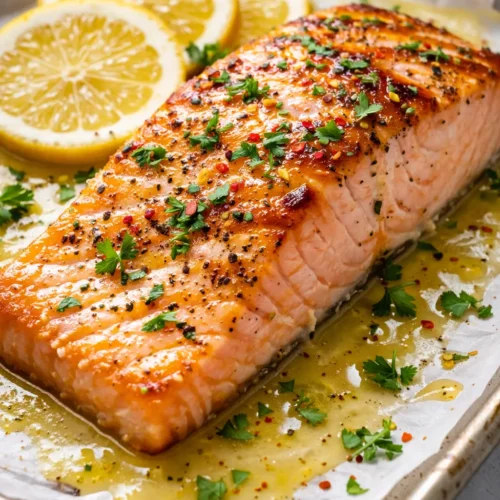
Baked Salmon with Lemon Butter Cream Sauce
Equipment
- Baking Sheet
- Small saucepan
- Whisk
- Chef’s knife
- Cutting board
Ingredients
- 4 salmon fillets (6 oz each)
- 1 cup heavy cream
- 1 lemon (zested and juiced)
- 4 tbsp unsalted butter (cold, cubed)
- 1 small shallot (finely minced)
- 2 cloves garlic (minced)
- salt and pepper to taste
- fresh dill for garnish
- flaky sea salt for finishing
Instructions
- Pat the salmon fillets dry with a paper towel. Season both sides generously with salt and pepper. Let them sit at room temperature for about 10 minutes.
- Preheat the oven to 400°F. Arrange a rack in the upper third position. Line a baking sheet with parchment paper.
- Place the fillets on the prepared baking sheet, skin-side down if they have skin. Roast for 10 to 12 minutes, until the edges are opaque and the center still has a slight give.
- Switch the oven to broil and cook for 1 to 2 minutes more, watching closely, until the top is lightly golden.
- While the salmon roasts, melt 1 tablespoon of the butter in a small saucepan over medium heat. Add the minced shallot and cook, stirring, until soft and translucent, about 2 minutes. Add the minced garlic and cook for 30 seconds until fragrant.
- Pour in the heavy cream, add the lemon zest, and season with a pinch of salt and pepper. Bring to a gentle simmer and cook for 2 to 3 minutes, until it thickens slightly, stirring occasionally.
- Remove the pan from the heat. Whisk in the cold butter cubes, one at a time, until each is fully melted and the sauce looks glossy. Stir in 1 to 2 tablespoons of fresh lemon juice to taste. Adjust seasoning.
- Spoon a generous amount of sauce onto each plate, spreading it slightly. Place a salmon fillet on top. Sprinkle with fresh dill and a pinch of flaky sea salt. Serve immediately.
Notes
Related Recipes:
 Cheesy Hamburger Casserole Bake That’s Ready in 40 Minutes (No Canned Soup Here)
 Lemon Capellini Salad for Late Summer Evenings: Bright, Tangy, Ready in 20 Minutes
 Creamed Cabbage and Ground Beef Casserole That’s Rich, Tender, and Done in 45 Minutes
 Creamy Garlic Tagliatelle That Looks Like a Restaurant Dish in 20 Minutes
 The Creamy Green Sauce Pasta That Looks Like You Made It for Instagram (But Tastes Even Better)
 Cucumber Shrimp Salad That Doesn’t Get Soggy — Finally