
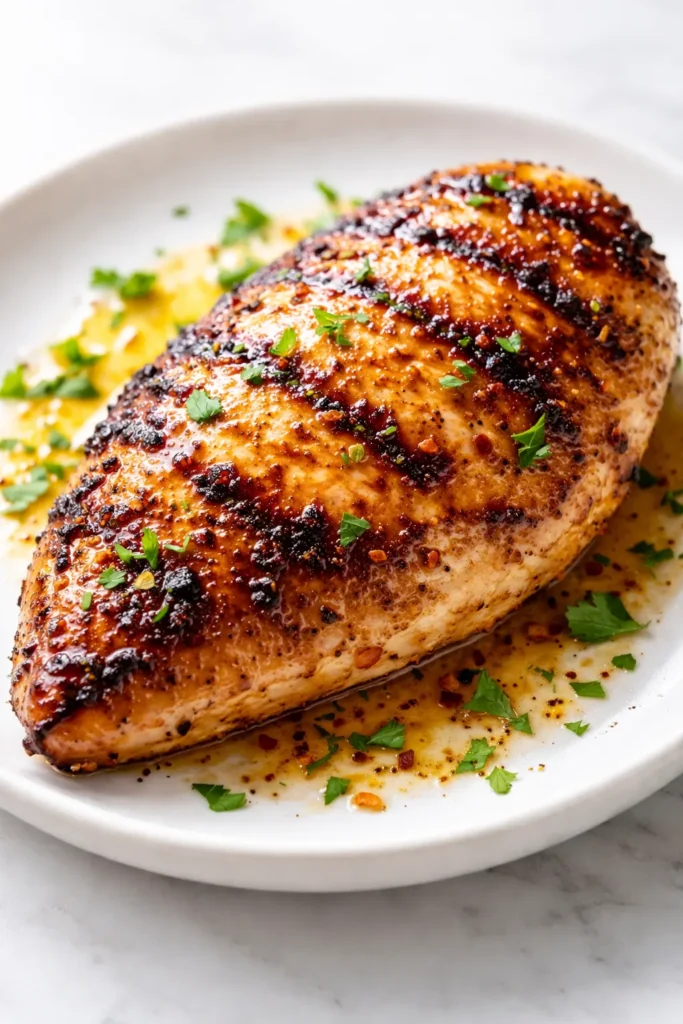
I have strong feelings about marinated chicken. Not in a precious way — in a “I’ve pulled too many dry, pale chicken breasts out of a hot pan and wanted to cry” way. The promise of a healthy chicken marinade sounds great: minimal effort, big flavor, virtuous ingredients. The reality is often soggy, burnt, or just plain boring.
This formula is the one I’ve made on repeat for the last four years. It gives you a deeply golden sear, meat that is actually seasoned all the way through, and enough flexibility to never get bored. The recipe is technically just a ratio — oil, acid, salt, a binder, a sweetener — but the way you handle the chicken and the pan is where the real magic happens.
The short version: A simple, balanced marinade that makes any weeknight chicken taste like you actually planned ahead.
I have tested this exact ratio about forty times over the past few years. My friend Sarah, who is a self-proclaimed “recipe killer” because she improvises and tends to ruin things, has been making this for her monthly dinner club for over a year now with zero complaints. That is the endorsement that matters.
- Serves: 4 as a main
- Hands-On Time: 10 min | Total Time: 30 min
- Difficulty: Easy enough to memorize on the first try
- Cost per serving: ~$3.50 (using basic pantry staples)
- Calories: ~280 per serving (chicken breast)
- Dietary Notes: Naturally gluten-free, dairy-free, low-carb
(Photo above: A cast-iron skillet full of perfectly seared chicken thighs, golden-brown and glossy, with a few cloves of garlic and a sprig of rosemary tucked in around them for color. The lighting is warm, late afternoon natural light coming from a nearby window, with a wooden cutting board off to the side holding a few lemon wedges.)
Why This Formula Works Every Time
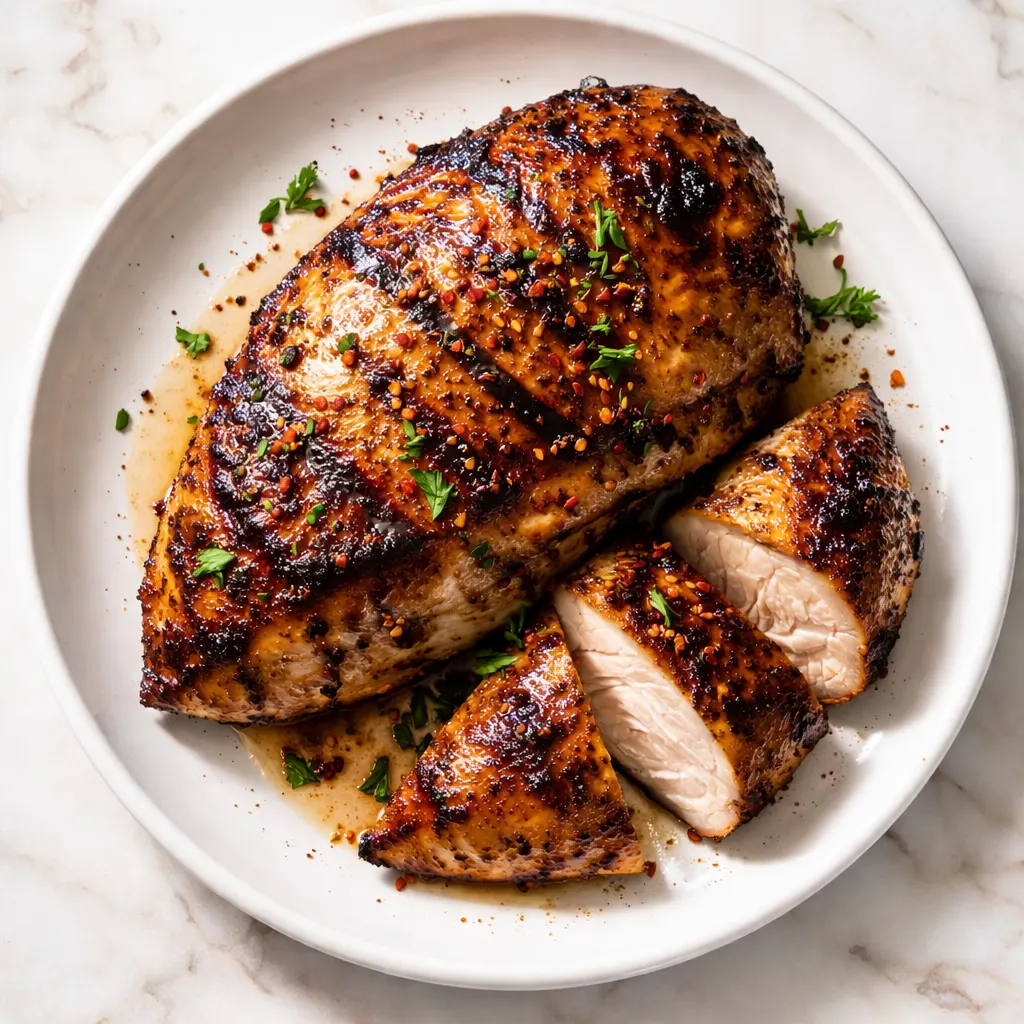
Most chicken marinades fail because they do not account for what actually happens in the pan. They are designed for the bowl, not for the heat. A good marinade has to do two things simultaneously: penetrate the meat with flavor AND set up the surface for a perfect sear.
If it has too much sugar, it burns before the chicken is cooked through. Too much acid, and it turns the meat mushy on the outside while leaving the center bland. Too little salt, and the flavor stays entirely on the surface instead of working its way in. This formula hits the sweet spot on all three fronts.
The result is chicken that looks like it came off a restaurant grill — deeply burnished, glossy, and perfectly seasoned — without any fancy techniques or hard-to-find ingredients.
The Master Ratio (Plus My Favorite Version)
This makes enough for about one pound of chicken, which serves four people depending on what you are serving alongside it. I usually double the batch and keep a bag of it in the freezer for the busiest weeknights.
- 1/4 cup olive oil: This is the fat that carries the flavor and creates that golden crust. Use a decent everyday olive oil here — save your good finishing stuff for drizzling over vegetables later. I have tested this with avocado oil too, and it works perfectly if you prefer a neutral base.
- 2 tbsp fresh lemon juice (from about 1 lemon): The acid. It brightens the whole dish without toughening the meat if you stick to the time limits. Lemon is my go-to, but red wine vinegar or white wine vinegar work beautifully here too.
- 1 tbsp Dijon mustard: The emulsifier. It helps the oil and acid stay mixed together, plus it adds a subtle tang and helps the marinade cling to the chicken rather than pooling at the bottom of the bowl. If you do not have Dijon, a teaspoon of mayo works in a pinch — do not judge me, it just works.
- 1 tbsp maple syrup or honey: The browning agent. This is what gives you that lacquered, caramelized exterior that makes the chicken look like you spent an hour on it. Do not skip this — it is not about sweetness, it is about the crust.
- 2 cloves garlic, smashed or finely grated: The aromatic backbone. Smashed garlic is less likely to burn in the pan than minced garlic, which gives you a little more forgiveness on the cooking time. If I am feeling lazy, I just grate the garlic on a microplane directly into the bowl.
- 1 tsp kosher salt + 1/2 tsp black pepper: The foundation of all flavor. If you use table salt, cut the amount in half — it is much denser and you will oversalt the chicken.
- 1 tsp dried oregano or thyme (or a few sprigs of fresh rosemary): This is where you make it your own. I usually reach for oregano because it feels transportive and pairs with almost any side dish. My friend Claire swears by fresh rosemary and lemon zest added right before cooking.
The Setup (Minimal, As Always)
- A 12-inch cast iron skillet or heavy stainless steel pan: It holds heat evenly and gives you that deep sear without hot spots. If you only have non-stick, it will work, but you will not get quite the same crust depth.
- A glass or ceramic bowl (or a zip-top bag): Metal bowls can react with the acid and impart a metallic taste to the marinade. Glass or plastic is the way to go.
- Tongs: For flipping the chicken without tearing the skin or the precious crust you are building.
- An instant-read thermometer: Not strictly necessary, but it completely removes the guesswork and saves you from cutting into the chicken to check if it’s done.
Let’s Make It (My Exact Process)
The entire active part of this process takes about ten minutes. The rest is just waiting for the flavors to do their job, which is a good time to prep your sides or pour yourself a glass of something.
Step 1: Mix the marinade. Whisk together the olive oil, lemon juice, mustard, maple syrup, garlic, salt, pepper, and herbs in a bowl until the mixture looks thick and creamy. The mustard does the heavy lifting here — it binds everything together so the marinade coats the chicken rather than separating into layers. (📸 Photo tip: The finished marinade should look emulsified and glossy, not separated like a sad vinaigrette. If it separates, keep whisking.)
Step 2: Prep the chicken. If you are using chicken breasts, pound them to an even thickness — about 3/4 of an inch. This is the step everyone skips, and it is the single best thing you can do to ensure even cooking. I put the chicken in a zip-top bag and whack it a few times with a rolling pin. It is extremely therapeutic and takes about 30 seconds.
Step 3: Marinate. Place the chicken in a glass dish or zip-top bag. Pour the marinade over it, turning each piece to coat it completely. Let it sit at room temperature for 15 minutes, or up to 4 hours in the refrigerator. Any longer than 4 hours and the acid starts to break down the fibers too much, leaving you with a mushy texture. I learned this the hard way when I prepped chicken for a dinner party the night before and ended up with something that had the texture of wet newspaper. (📸 Photo tip: Make sure every piece is fully coated — the marinade should glisten on the surface of the chicken, not pool at the bottom of the bag.)
Step 4: Let the excess drip off. Remove the chicken from the marinade, letting any excess drip back into the bowl. Place the chicken on a plate and pat the surface very lightly with a paper towel. This is the most important technical step in the entire recipe. Too much moisture in the pan means the chicken will steam instead of searing. You want the surface to look almost dry, with just a thin layer of the marinade clinging to it.
Step 5: Sear. Heat 1 tablespoon of a high-smoke-point oil (like avocado or canola) in your cast iron pan over medium-high heat until it shimmers. Carefully place the chicken in the pan — it should sizzle immediately and aggressively. Do not touch it for the first 4 minutes. Let that crust form undisturbed. Cook for 5-7 minutes per side, depending on thickness, until deeply golden and cooked through.
Step 6: Rest. Transfer the chicken to a cutting board and let it rest for a full 5 minutes before slicing. This keeps the juices inside the meat where they belong, rather than all over your cutting board. I know it is tempting to cut right into it, but those five minutes are non-negotiable.
How I Meal Prep This for the Week
I make a double batch of this marinade on Sundays, and we use it for quick chicken dinners all week long. The marinade itself takes five minutes to whisk together, and having it prepped makes a huge difference on days when I do not want to think about dinner.
- Fridge: Store raw chicken in the marinade in an airtight container for up to 2 days. Cook within that window for the best texture.
- Freezer: Yes. Place raw chicken and the marinade in a freezer bag, remove as much air as possible, and freeze flat for up to 3 months. Thaw overnight in the fridge and cook as directed.
- Reheat: The microwave works in a pinch, but it will soften that beautiful golden crust. For best results, reheat in a 350°F oven for 10 minutes or in a hot skillet for 2 minutes per side.
Things I Wish I’d Known the First Time
- Do not skip the rest after cooking. I know it is tempting to slice right into the chicken to see if it is done, but resting is what keeps the meat juicy. If you cut it open immediately, all the juices run out onto the board and you end up with dry chicken.
- Acid timing is everything. Fifteen minutes at room temperature is the sweet spot for flavor penetration without texture damage. Overnight in the fridge is fine, but I have absolutely left it for 24 hours before and regretted it when the chicken had a slightly mealy texture.
- Hot pan, cold oil, dry chicken. That is the mantra for a good sear. If the chicken looks wet, pat it dry. If the pan is not hot enough, the chicken will stick and the crust will not form properly.
- Use a thermometer. 165°F for breasts, 175°F for thighs. I use an instant-read thermometer because I hate cutting into a piece of chicken to check if it is done and watching all the juices run out across the cutting board. It is a small investment that pays for itself in better meat every single time.
Swaps That Actually Work
- Dairy-Free / Paleo: This recipe is naturally dairy-free and paleo-friendly. Just make sure your mustard does not have any added dairy, which is mostly a white-label mustard thing that you will likely never encounter.
- Herb Swap: Swap the dried oregano for 2 tablespoons of fresh basil and 1 teaspoon of dried thyme for a more Mediterranean vibe. My friend Claire, who is notoriously picky about chicken, says this version is “the only reason she cooks chicken at home.”
- Spicy Kick: Add 1 teaspoon of red pepper flakes or one finely minced serrano pepper to the marinade. This is my personal favorite when I am making it just for myself and do not have to factor in other people’s heat tolerance levels.
- Citrus Twist: Swap the lemon for lime or orange juice. Orange goes especially well with the rosemary and garlic, and it gives the finished chicken a slightly sweeter, more complex flavor that works beautifully with rice and beans.
Questions I Get About This Marinade All the Time
Q: Why did my chicken turn out dry if I followed the recipe?
A: Dry chicken is usually either overcooked or under-seared. If the pan is not hot enough, the chicken sits in the pan too long before forming a crust, and the interior dries out before the exterior is done. Get an instant-read thermometer and make sure your pan is ripping hot before the chicken hits it.
Q: Can I make this with chicken thighs instead of breasts?
A: Yes, and honestly, I prefer it with thighs. They are more forgiving, stay juicier, and have a richer flavor. Cook them to 175°F for the best texture — do not pull them at 165°F like you would with breasts, or they will have a slightly rubbery texture near the bone.
Q: How long does the cooked chicken last, and can I freeze it?
A: In an airtight container in the fridge, it will keep for 4 to 5 days. I usually slice it cold for salads or lunch bowls. You can freeze the cooked chicken, but the texture will be slightly softer upon reheating because the moisture expands when frozen. It is fine for soups or shredding, but not great for slicing and serving as a main.
Q: What do you serve with this chicken?
A: I keep it simple — a pile of arugula with shaved Parmesan and a lemon vinaigrette, roasted potatoes with plenty of salt, or a big bowl of couscous with fresh herbs. My favorite lazy version is just a warm tortilla with some avocado and hot sauce, which is technically a taco and absolutely counts as dinner.
More Recipes My Family (and Friends) Make on Repeat
If you liked this one, here are a few others that get the same reaction at our table:
- My Go-To Sheet Pan Lemon Chicken — Golden, juicy, and the potatoes soak up all the good stuff.
- The Only Salad Dressing I Make — A perfect lemon vinaigrette that doubles as a marinade in a pinch.
- Crispy Garlic Smashed Potatoes — The ideal side dish for this marinated chicken, with edges that shatter when you bite into them.
This marinade has genuinely changed my weeknight dinner game. It is simple, reliable, and it makes chicken taste like something you actually want to cook and eat, whether you are feeding a table full of people or just yourself on a Tuesday night with a glass of wine.
If you give it a try, I would love to know how it goes for you. Drop a comment below or tag me on Pinterest so I can see your beautiful golden crust.
📌 This healthy chicken marinade formula stays juicy and sears perfectly every time — save it for your next busy weeknight dinner when you need something quick that actually delivers.
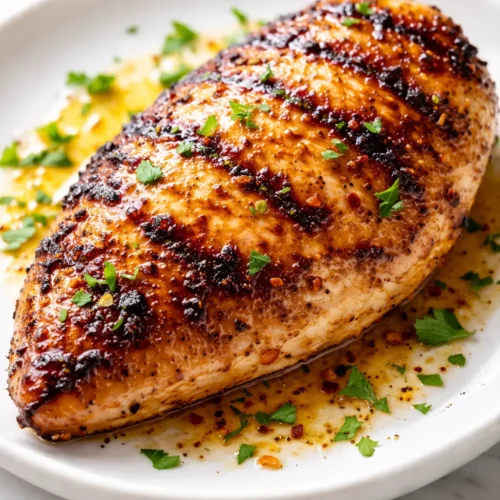
My Go-To Healthy Chicken Marinade Formula: Juicy, Golden, and Ready in 30 Minutes
Equipment
- 12-inch cast-iron skillet or heavy stainless steel pan
- Glass or Ceramic Bowl (or zip-top bag)
- Tongs
- Instant-Read Thermometer
Ingredients
For the Marinade
- 1/4 cup olive oil
- 2 tbsp fresh lemon juice (from about 1 lemon)
- 1 tbsp Dijon mustard
- 1 tbsp maple syrup or honey
- 2 cloves garlic, smashed or finely grated
- 1 tsp kosher salt
- 1/2 tsp black pepper
- 1 tsp dried oregano or thyme (or a few sprigs fresh rosemary)
- 1 lb boneless skinless chicken breasts or thighs (pounded to even thickness)
For Cooking
- 1 tbsp avocado oil or canola oil (high smoke point)
Instructions
- Step 1: Mix the marinade. Whisk together the olive oil, lemon juice, mustard, maple syrup, garlic, salt, pepper, and herbs in a bowl until the mixture looks thick and creamy.
- Step 2: Prep the chicken. If using chicken breasts, pound to an even thickness — about 3/4 inch. Place in a zip-top bag and pound with a rolling pin for even cooking.
- Step 3: Marinate. Place chicken in a glass dish or zip-top bag. Pour the marinade over it, turning to coat completely. Let sit at room temperature for 15 minutes, or up to 4 hours in the refrigerator. Do not exceed 4 hours.
- Step 4: Dry the surface. Remove chicken from marinade, letting excess drip off. Place on a plate and pat the surface lightly with a paper towel. This is critical for a good sear.
- Step 5: Sear. Heat 1 tbsp of high-smoke-point oil in a cast iron skillet over medium-high heat until shimmering. Place chicken in pan — it should sizzle immediately. Do not disturb for the first 4 minutes. Cook for 5-7 minutes per side, until deeply golden and cooked through (165°F for breasts, 175°F for thighs).
- Step 6: Rest. Transfer chicken to a cutting board and let it rest for a full 5 minutes before slicing. This keeps the juices inside where they belong.
Notes
Related Recipes:
 Cheesy Hamburger Casserole Bake That’s Ready in 40 Minutes (No Canned Soup Here)
 Creamy Garlic Tagliatelle That Looks Like a Restaurant Dish in 20 Minutes
 Texas Roadhouse Style Baked Salmon with Sweet and Savory Glaze — Ready in Under 30 Minutes
 Easy Italian Meatloaf That’s Actually Juicy (Not Dry) — in 1 Hour
 The Biscuits and Gravy Casserole That’s Actually Crispy on Top (And Ready in 40 Minutes)
 Air Fryer Chicken and Vegetables That Don’t Taste Like a Regret (30 Minutes, One Pan)