
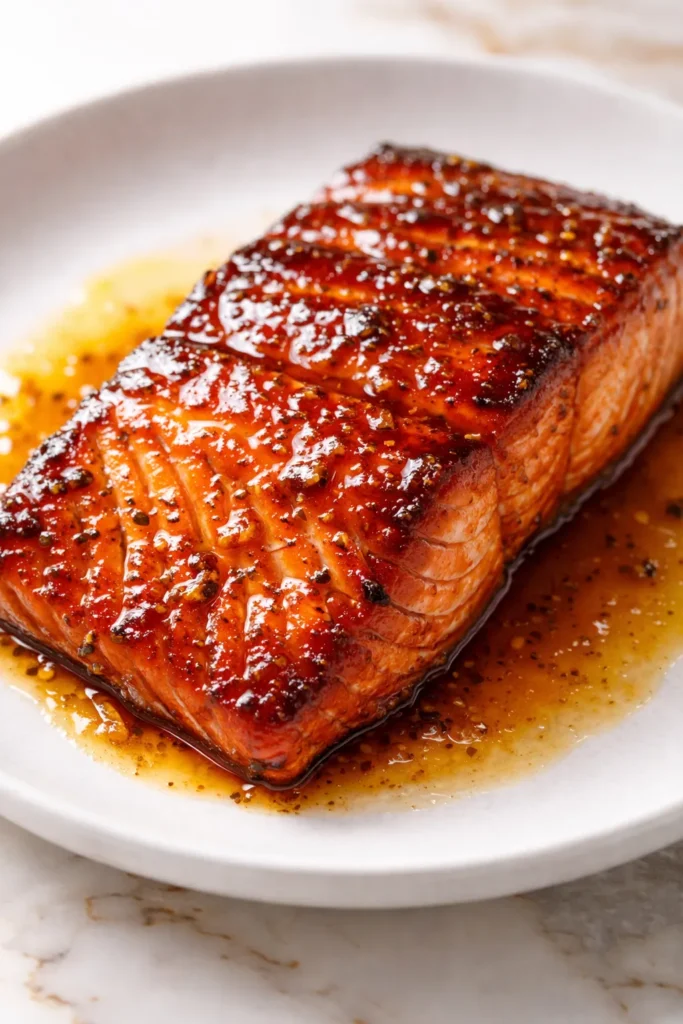
The first time I made this, I actually texted a photo to my mother. Not because she needed to know what I had for dinner, but because the sheen on that salmon — glossy, dark-charred at the edges, slick with honey butter — looked like something from a restaurant kitchen I’d never be able to afford. And it took twenty minutes. A single pan. A spice blend I already had in the cabinet. A single filet of salmon, a pantry spice blend, and honey butter. High visual impact for low effort. This is exactly the kind of cooking I like.
The short version: This cajun honey butter salmon comes together in one cast iron pan in 20 minutes and looks like it belongs on a $40 tasting menu.
I have made this for myself on a random Tuesday, for a dinner party where I wanted to look like I’d done something complicated, and for a friend who was having a terrible week and needed a meal that felt like a hug. It has never once let me down.
- Serves: 2 as a main (or 4 if you’re doing a composed plate with sides)
- Hands-On Time: 10 min | Total Time: 20 min
- Difficulty: Easy enough for a Tuesday — no special skills, just a hot pan and some timing
- Cost per serving: ~$5.50
- Calories: ~460 per serving
- Dietary Notes: Naturally gluten-free. Adaptable for dairy-free (use a good vegan butter).
(Photo above: an overhead shot of the salmon on a dark slate plate, glistening under warm ambient light, a sprinkle of fresh chives and a wedge of lemon on the side. The cast iron pan is slightly visible in the background corner.)
The One Trick That Gives It That Restaurant Gloss
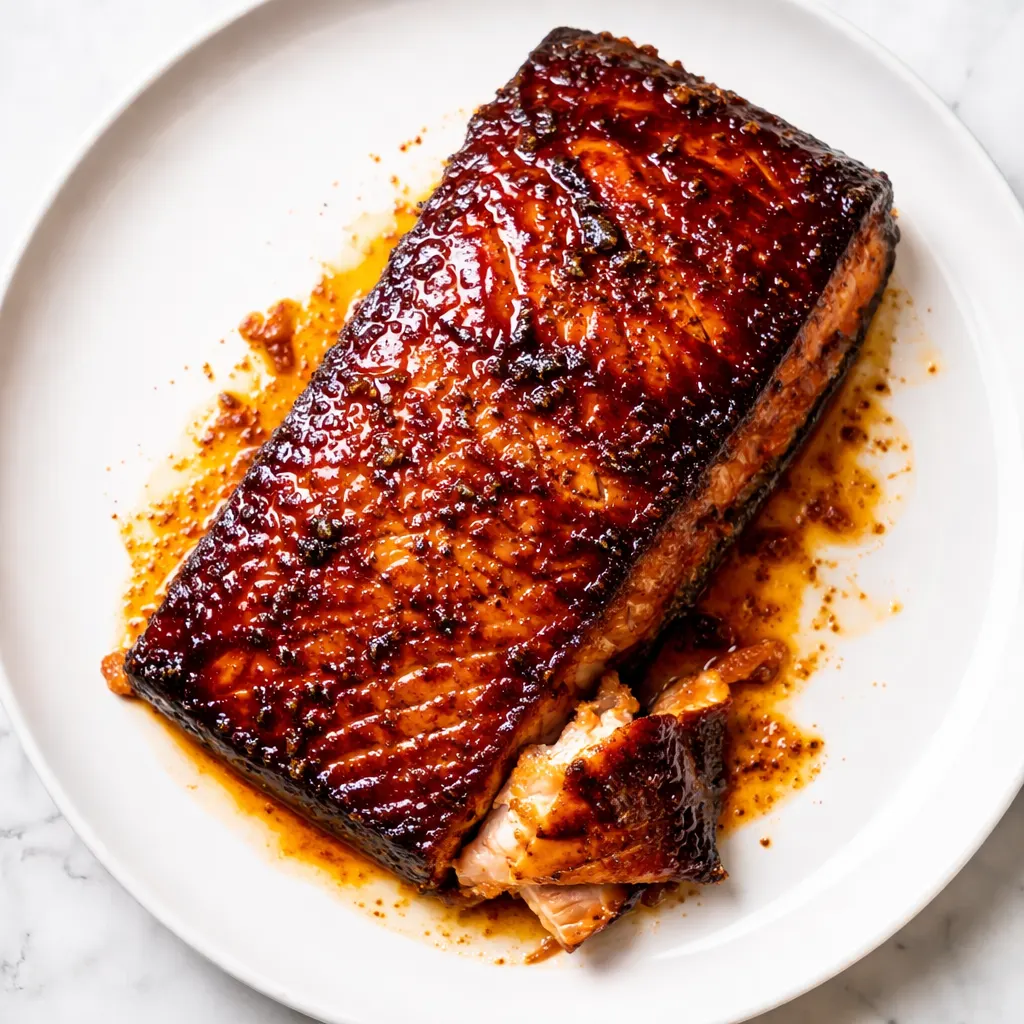
Most people cook salmon and then add a sauce. By the time it hits the table, the sauce is sliding off into a puddle, and the skin (if skin-side down) has gone soft. I do it backwards. The glaze goes into the pan first, right at the end, and you baste the salmon with it as it cooks. The honey caramelizes onto the fish itself, creating that lacquered, sticky crust that looks like you spent fifteen minutes on plating. It takes exactly ninety seconds.
The other thing? Butter. Cajun seasoning is bold — paprika, cayenne, garlic powder — but without a fat to carry it, it just tastes dusty. The butter mellows the heat into something warm rather than aggressive, and the honey gives it that glossy finish. It’s a trinity that works immediately. I learned this after making way too many dry, sad filets that I tried to fix with a sauce afterward. The sauce belongs on the fish, not next to it.
What this produces is a piece of salmon that looks like it was painted. The edges are dark and crispy, the center is tender and flaky, and the entire thing is coated in a sweet-heat glaze that makes you look like you know what you’re doing. Which you do, because you’re making this.
What Goes In — Plus My Honest Notes
- 2 salmon filets (6 oz each, skin-on or off): You want thick, center-cut filets. The tail pieces cook too fast and won’t have time to develop that crust. Costco packs work fine — just portion them yourself. I prefer skin-on because the skin gets crispy and adds texture, but skinless works too if that’s what you have.
- 2 tbsp Cajun seasoning: Store-bought is fine. Slap Ya Mama or Tony Chachere’s are my go-tos. But making your own is cheaper and lets you control the salt. My blend is paprika, garlic powder, onion powder, cayenne, dried oregano, and dried thyme. If your blend is wildly salty, go easy — you can always add heat at the end.
- 2 tbsp honey: The cheap squeeze bottle stuff works. Save the fancy single-origin honey for tea. Here, it’s a vehicle for caramelization. It will bubble, darken, and turn into that glossy lacquer you’re after.
- 3 tbsp butter (cold, cubed): Salted butter. Don’t use unsalted. The salt cuts the sweetness of the honey and keeps the whole thing savory. Cold butter cubes hit the hot pan and melt slowly, creating a creamy glaze rather than a greasy one.
- 1/2 lemon: For the finish. Not the garnish, the finish. You need that acid to cut the fat. A squeeze at the very end changes everything.
- Fresh chives or scallions (for garnish): For color. And a little onion-y bite at the end. Place them deliberately, don’t scatter. The difference between a dish that looks styled and one that does not is almost always whether the last three things on the plate were placed or dropped.
- Flaky salt (for finishing): Maldon or similar. The crystals add texture and a final pop of salt that makes the honey butter taste even richer.
The Setup (It’s Minimal, I Promise)
- A 12-inch cast iron skillet: If you don’t have one, a heavy-bottomed stainless steel pan works. Non-stick won’t get hot enough for the crust we’re after.
- Tongs — for flipping and basting.
- A small bowl — for mixing the spice blend if you’re doing it from scratch.
- A paper towel — for patting the salmon dry. This is not a suggestion. It’s a requirement.
Let’s Make It — Start to Finish
This moves fast, so have your honey measured and your butter cubed and ready before the salmon hits the pan. You won’t have time to dig through the fridge once things start going.
- Pat dry: Pat the salmon filets completely dry with a paper towel. Every side. Dry salmon is crispy salmon. Moisture is the enemy of a good sear. If you skip this, you’ll get steamed fish with a pale exterior.
- Season: Coat the filets generously with Cajun seasoning on all sides. Don’t be shy — it forms the crust. Let them sit for 5 minutes while the pan heats up. This gives the seasoning time to adhere.
- Heat pan: Place your cast iron skillet over medium-high heat for a full 3 minutes. It should be smoking lightly. That’s the signal. Add a thin layer of oil (avocado or canola, something with a high smoke point) and swirl to coat.
- Sear: Place the salmon in the pan, beautiful-side down (the side that will face up on the plate). Press gently with a spatula for 30 seconds to ensure full contact with the pan. (📸 Photo tip: The edges should look dark and crispy after about 2 minutes. If they don’t, your pan wasn’t hot enough.)
- Flip: Sear for 3 minutes on the first side without moving it. Flip carefully. The crust should be deep mahogany, not burnt. Cook for 2 minutes on the second side. The fish should release easily from the pan — if it’s sticking, it needs more time.
- Glaze: Reduce heat to low. Add the cubed butter and honey directly to the pan, tilting the pan so it pools at the bottom. Use a spoon to baste the salmon continuously for about 60-90 seconds. The sauce will bubble and thicken into a glossy glaze. (📸 Photo tip: This is the money shot — the sauce should coat the back of a spoon and look like warm caramel. The salmon should look lacquered.)
- Finish: Squeeze the lemon half over the pan. Swirl to combine. Remove the salmon from the pan immediately — the carryover heat will keep cooking it, so don’t leave it in the hot pan or it will overcook.
- Serve: Place the salmon on plates. Spoon any remaining glaze from the pan over the top. Garnish with chives and a generous pinch of flaky salt. Serve immediately.
How I Prep This for the Week
Salmon is best fresh, but I’m not above eating it cold over a salad the next day. The glaze softens a little in the fridge, but the flavor is still outstanding. If you’re meal-prepping, cook the salmon a little less — aim for 125°F internally — so the reheat doesn’t dry it out.
- Fridge: Store cooked salmon in an airtight container for up to 2 days. The glaze will soften, so it’s better cold or at room temperature than microwaved.
- Freezer: Not recommended. The texture suffers significantly, and the glaze gets weepy when thawed.
- Reheat: The best way is a low oven (300°F) for 5-7 minutes on a wire rack set over a baking sheet. The microwave will make it weep. If you must, use 50% power in 30-second bursts and stop the second it’s warm.
- Prep ahead: You can mix the Cajun seasoning and portion the butter/honey up to 3 days ahead. That makes the actual cooking a 10-minute operation.
Things I Learned the Hard Way
- Don’t skip the pat dry. I know it sounds like a boilerplate step, but a wet filet will steam instead of sear. You want a crust, not a pallid gray exterior. I once made this for a friend and forgot to pat it dry — she was too polite to say anything, but I knew. I knew.
- The honey will smoke a little. That’s okay. It’s just the sugar caramelizing. If your fire alarm is sensitive, crack a window. It should smell like sweet toasted butter, not burnt sugar. If it starts smelling acrid, your heat is too high — pull the pan off the burner for 30 seconds.
- Use cold butter. Cold butter cubes hit the hot pan and emulsify into the honey slowly, creating a creamy glaze rather than a greasy one. Room temperature butter breaks into an oily mess. I tested this three times to be sure. Cold butter wins every time.
- Taste your Cajun seasoning first. Some blends are pure salt. Some are pure cayenne. If yours is wildly salty, go easy. You can always add more heat at the end with a pinch of cayenne, but you can’t take salt out. Trust me on this one — I’ve ruined a filet by being too generous with an aggressively salty blend.
- Rest the salmon for 2 minutes before serving. I know you want to eat it immediately, but a short rest lets the juices redistribute. If you cut into it right away, all that beautiful glaze and moisture will end up on the cutting board instead of in your mouth.
Make It Yours — Easy Swaps
- Milder version: Use 1 tbsp of sweet paprika instead of 1 tbsp of the Cajun seasoning. The honey butter carries it beautifully, and you get all the color without the heat. I make this for friends who claim they “can’t do spicy” — they finish every bite.
- Dairy-free: Use a good vegan butter. Miyoko’s is the only one I’d use here — it browns better than the others. The glaze won’t be quite as rich, but it’s still very good.
- Spicy version: Add 1 tsp of cayenne and a drizzle of sriracha to the honey butter mixture. Baste as directed. Remove the salmon and stir another tbsp of butter into the pan sauce for extra richness. This is the version I make for myself when I need a reset.
- Different protein: This glaze is phenomenal on chicken thighs (cook them low and slow first, then glaze at the end) or on roasted cauliflower steaks. The technique is the same — baste at the end for that lacquered finish.
- Herb swap: If you don’t have chives, use tarragon. It has an anise-adjacent quality that makes a simple salmon dish read as something you had to think about. Which you did. For approximately thirty seconds at the grocery store.
The Questions People Keep Asking
Q: Why is my salmon sticking to the pan?
A: The pan wasn’t hot enough, or you tried to flip too early. Let it sit for a full 3 minutes without touching it. When it’s ready, it will release on its own. If it’s sticking, it needs more time. Forcefully pulling it off will tear the crust and leave half the fish in the pan. I’ve done it. It’s fixable — scrape it up and serve it anyway — but it’s not as pretty.
Q: Can I use frozen salmon?
A: Yes, but thaw it completely in the fridge overnight and pat it extremely dry. Frozen salmon holds more water, so the crust won’t be as dramatic, but the glaze will still taste great. If you’re in a hurry, you can thaw it under cold running water for about 15 minutes, but you really need to get that moisture off.
Q: How do I know when the salmon is done?
A: I use the back-of-the-finger test. Press the top of the filet. If it feels like the webbing between your thumb and forefinger (when relaxed), it’s medium-rare. If it feels like the base of your thumb, it’s medium-well. I prefer it at 125-130°F internally, which is medium — tender, flaky, but still moist. If you’re new to cooking fish, pull it off the heat when it’s just barely translucent in the center — the carryover heat will finish it.
Q: What do you serve with this?
A: I’m partial to a simple lemony arugula salad or some crispy smashed potatoes. The richness of the salmon needs something bright or starchy to balance it. My friends always ask for the potatoes. If I’m feeling lazy (which is often), I’ll microwave some frozen peas and toss them with butter and mint. It takes three minutes and provides the color contrast the plate needs.
More Recipes My Friends Keep Asking For
If you liked this one, here are a few others that get the same reaction at my table — the kind of dishes that make people ask for the recipe before they finish eating.
- Garlic Butter Shrimp with White Wine — Faster than the salmon, and the sauce is practically a crime scene (in a good way). Serve with crusty bread to mop it up.
- Crispy Cast Iron Chicken Thighs — The same crust obsession, different protein. The pan sauce is optional but I’d never skip it.
- Weeknight Pasta Aglio e Olio — The ultimate pantry meal for when the salmon didn’t make it to the dinner table.
Look, I love a complicated Sunday project as much as the next person. But a Tuesday night that ends with this — glossy, spicy, sweet, done in twenty minutes — is a Tuesday night I feel good about. The plate looks like you tried, which is the whole point.
If you make it, tag me. I want to see that crust.
📌 Save this cajun honey butter salmon for the next time you want a 20-minute dinner that feels like an event — it’s the one you’ll text your friends about.
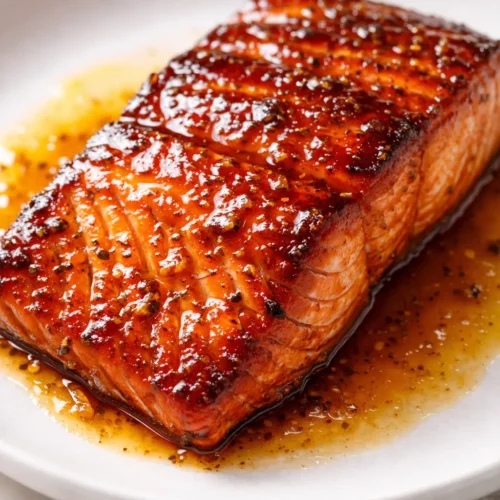
Glossy, Lacquered Cajun Honey Butter Salmon — Ready Faster Than Takeout
Equipment
- 12-inch cast iron skillet
- Tongs
- Small Bowl
Ingredients
For the Salmon
- 2 filets (6 oz each) salmon filets (skin-on or off)
- 2 tbsp Cajun seasoning
For the Glaze
- 2 tbsp honey
- 3 tbsp cold salted butter, cubed
- 1/2 lemon lemon (for finishing)
For Garnish
- 2 tbsp fresh chives, chopped
- flaky salt (Maldon or similar)
Instructions
- Pat the salmon filets completely dry with a paper towel. Every side. Dry salmon is crispy salmon. Moisture is the enemy of a good sear.
- Coat the filets generously with Cajun seasoning on all sides. Don’t be shy — it forms the crust. Let them sit for 5 minutes while the pan heats up.
- Place your cast iron skillet over medium-high heat for a full 3 minutes. It should be smoking lightly. Add a thin layer of high-smoke-point oil (avocado or canola) and swirl to coat.
- Place the salmon in the pan, beautiful-side down. Press gently with a spatula for 30 seconds to ensure full contact. Sear for 3 minutes without moving it. The edges should look dark and crispy.
- Flip carefully. Cook for 2 minutes on the second side. The fish should release easily — if it’s sticking, it needs more time.
- Reduce heat to low. Add the cubed butter and honey directly to the pan, tilting so it pools. Baste the salmon continuously for about 60-90 seconds. The sauce will bubble and thicken into a glossy glaze.
- Squeeze the lemon half over the pan. Swirl to combine. Remove the salmon from the pan immediately. Let it rest for 2 minutes before serving to allow juices to redistribute.
- Place the salmon on plates. Spoon any remaining glaze from the pan over the top. Garnish with chives and a generous pinch of flaky salt. Serve immediately.
Notes
Related Recipes:
 Cheesy Hamburger Casserole Bake That’s Ready in 40 Minutes (No Canned Soup Here)
 Lemon Capellini Salad for Late Summer Evenings: Bright, Tangy, Ready in 20 Minutes
 Creamed Cabbage and Ground Beef Casserole That’s Rich, Tender, and Done in 45 Minutes
 Creamy Garlic Tagliatelle That Looks Like a Restaurant Dish in 20 Minutes
 The Creamy Green Sauce Pasta That Looks Like You Made It for Instagram (But Tastes Even Better)
 Cucumber Shrimp Salad That Doesn’t Get Soggy — Finally